A usable reading nook needs only about 16 square feet, a 4-by-4-foot patch, plus one chair, one light and one place to set a mug. That’s the good news behind these 27 reading nook ideas for Cozy Corners, which are sorted by the room where each one fits best.
Every idea includes the measurement, material or mistake worth knowing before you buy anything. Skim the headings to find your room, then read the details for the one you’ll build.
27 reading nook ideas for Cozy Corners: Starting points for your space
1. A swivel chair in the living room window corner
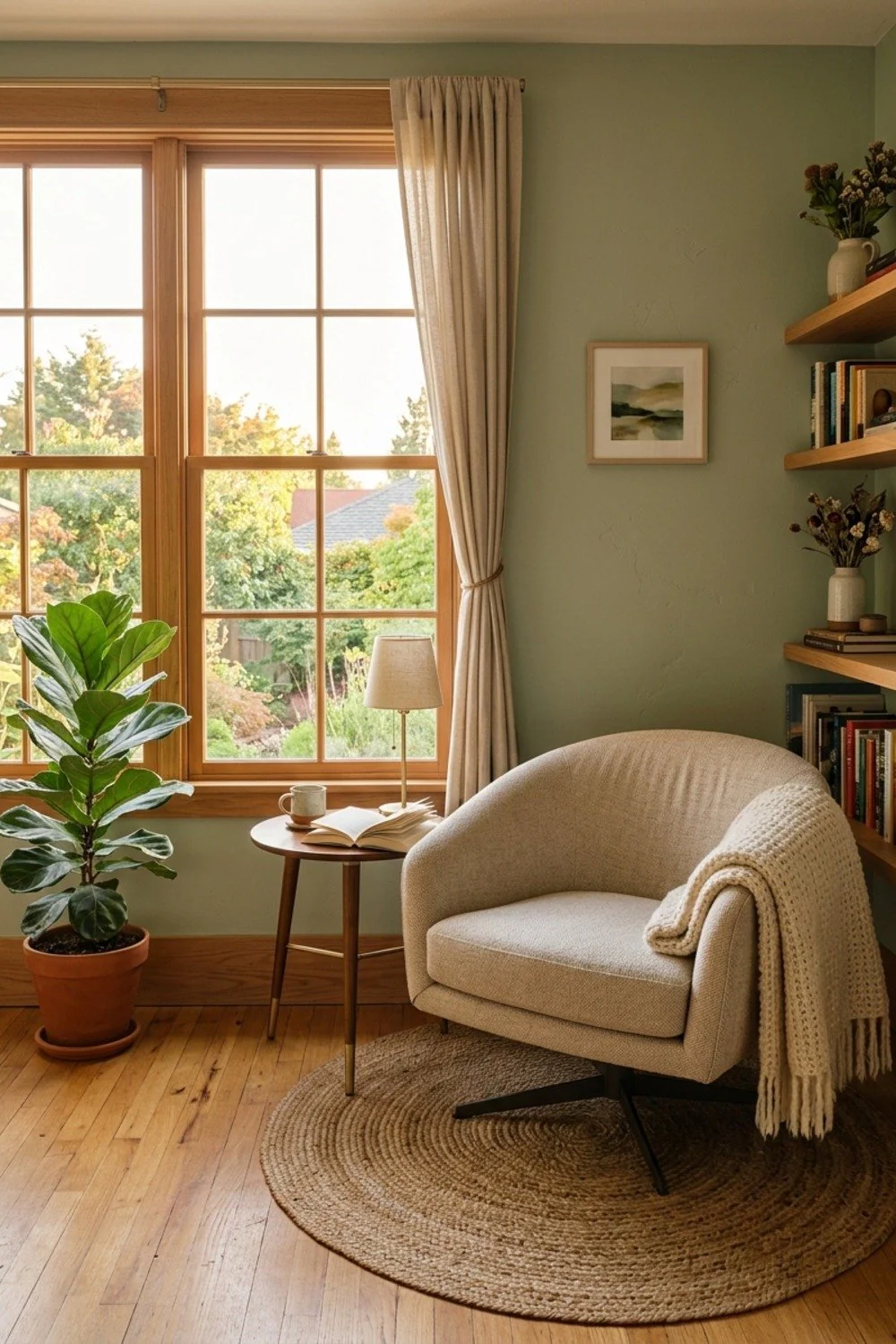
A swivel armchair in tight-loop bouclé claims a bare living room corner fast. The nubby fabric feels like a wool sweater under your palm, and it hides the creases that smooth linen shows after a week.
Choose a chair no deeper than 32 inches so a side table still fits beside it. Loose-weave cotton blends are a bad bet in a house with cats, because claws snag the loops. Expect to spend $450-$700 for one that holds its shape.
2. A sofa-end chaise with a slim ledge table
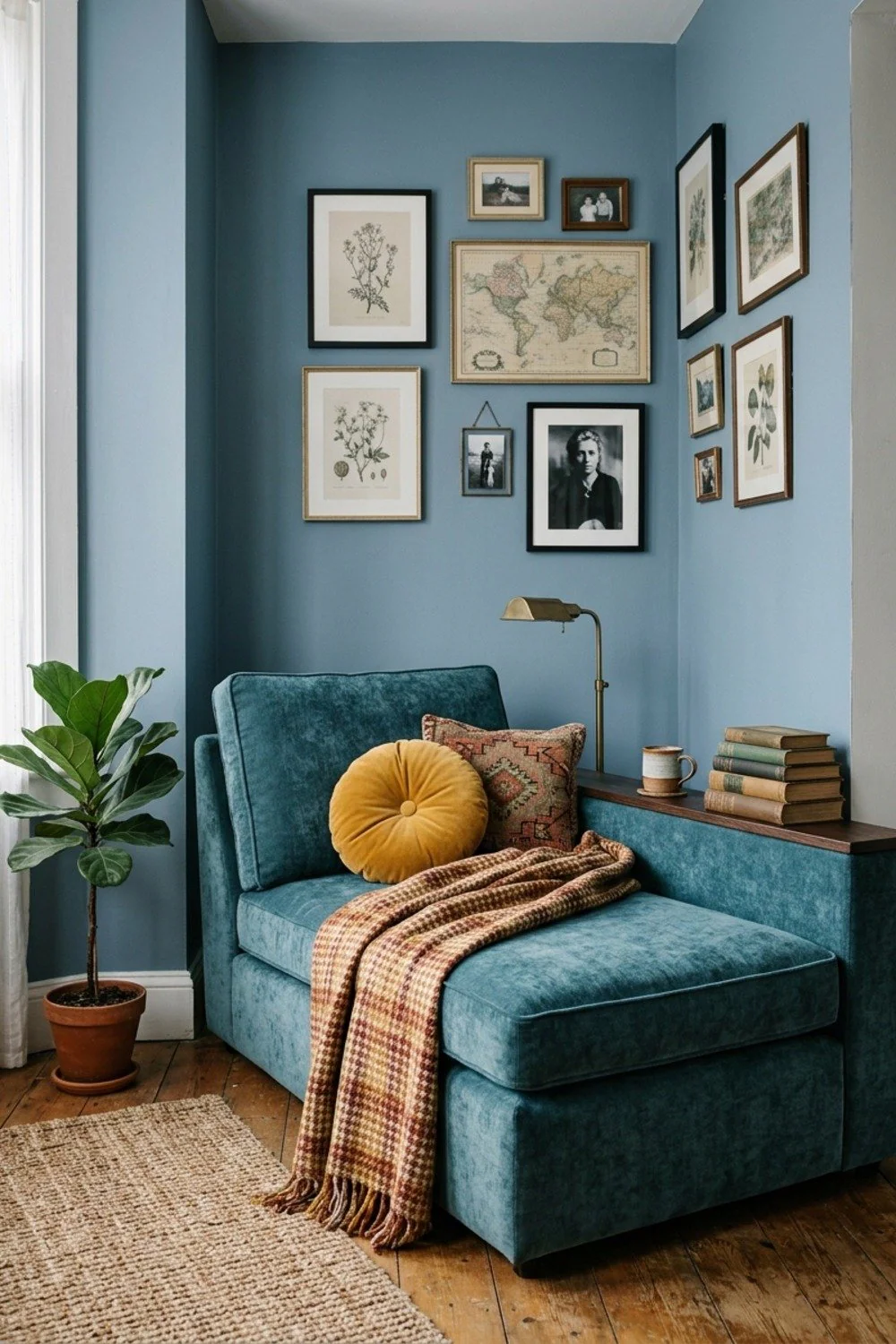
When a living room is long and narrow, a chaise at the end of the sofa gives you a reclining spot without a second chair. It works for readers who sprawl, since a chaise runs 60-66 inches and supports your whole leg.
Pair it with a 10-inch-deep ledge table instead of a round one. Round tables jut into the walkway, and that’s the most common reason a nook gets abandoned within a month.
3. A deep-green corner with a floor lamp and rug
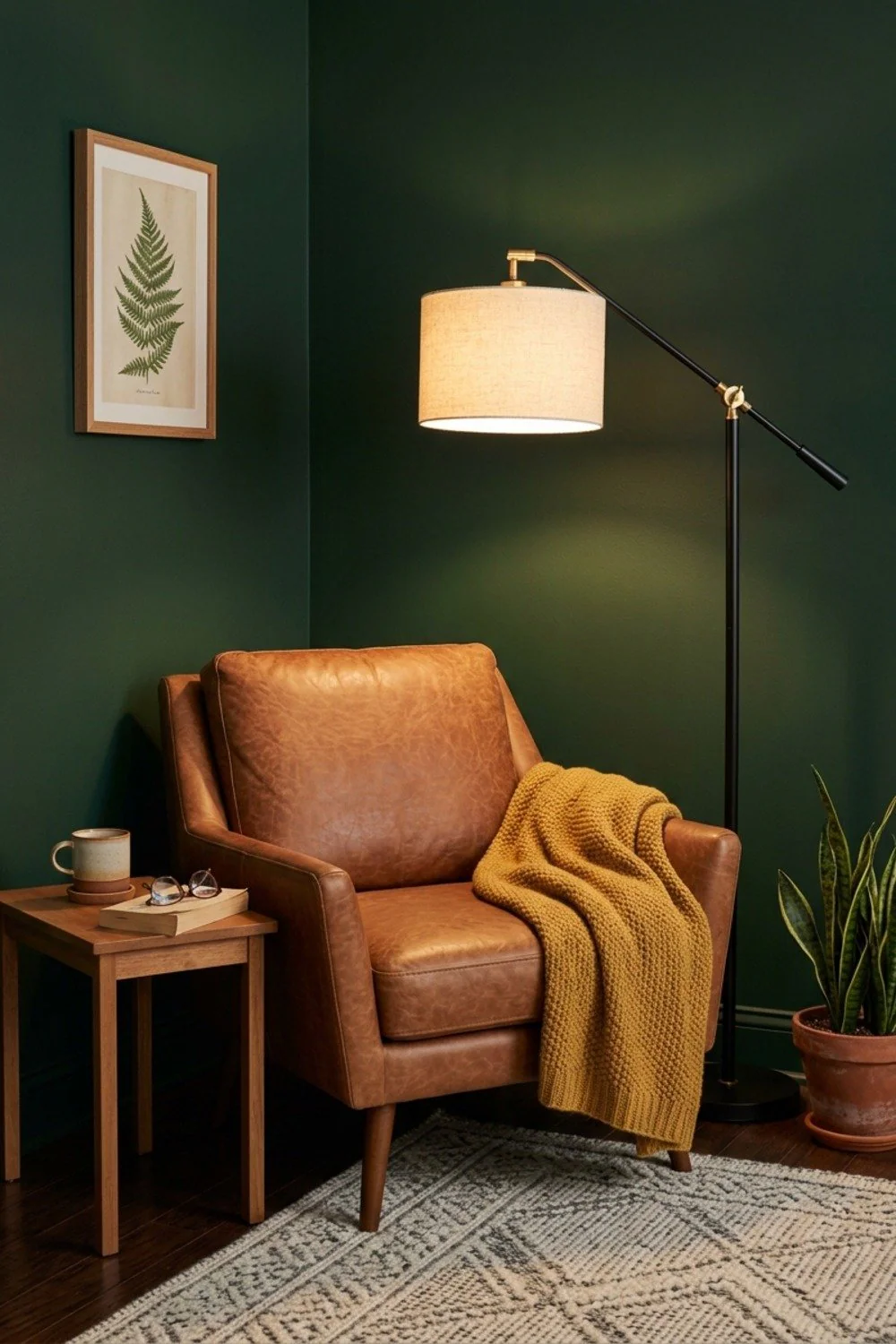
Paint two walls of a living room corner a deep green such as Benjamin Moore Hunter Green, and the chair in front reads as its own room. Dark color pulls the walls inward, so the corner feels enclosed even when the room is large.
This suits rooms with decent daylight, since dark paint in a dim room gets gloomy. Use a matte finish. Satin shows every roller mark at 4pm when the sun rakes across it.
4. A built-in bench between bookcases
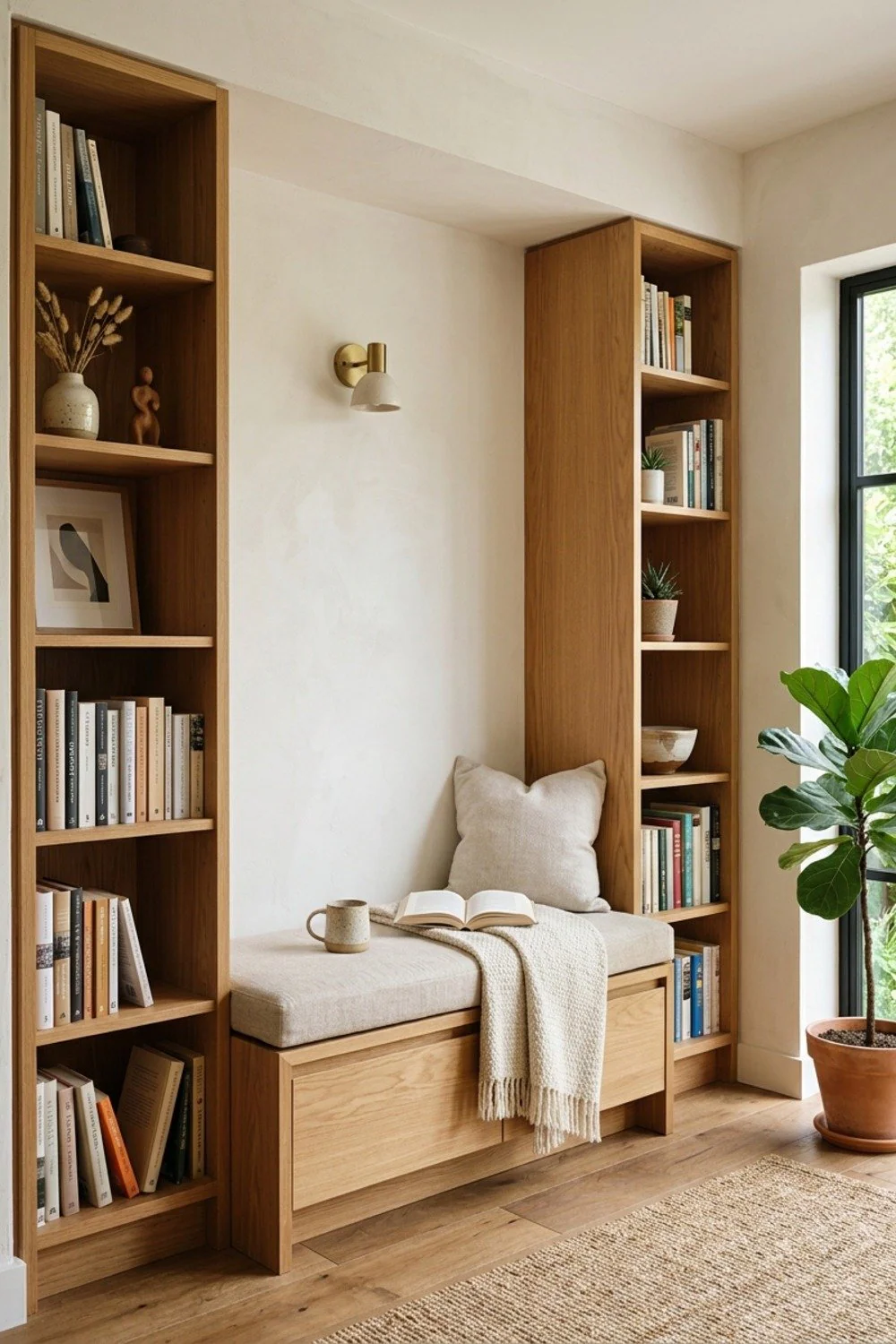
Two stock 30-inch bookcases set 36 inches apart, with a plywood bench between them, make a built-in look for roughly $350. The bench seat should sit 17-18 inches high with a 3-inch foam cushion on top.
It’s the strongest option for families who own too many books. Fasten the cases to the wall studs, though. Tall shelves flanking a seat get leaned on, and they tip.
5. A bedroom corner beside the closet
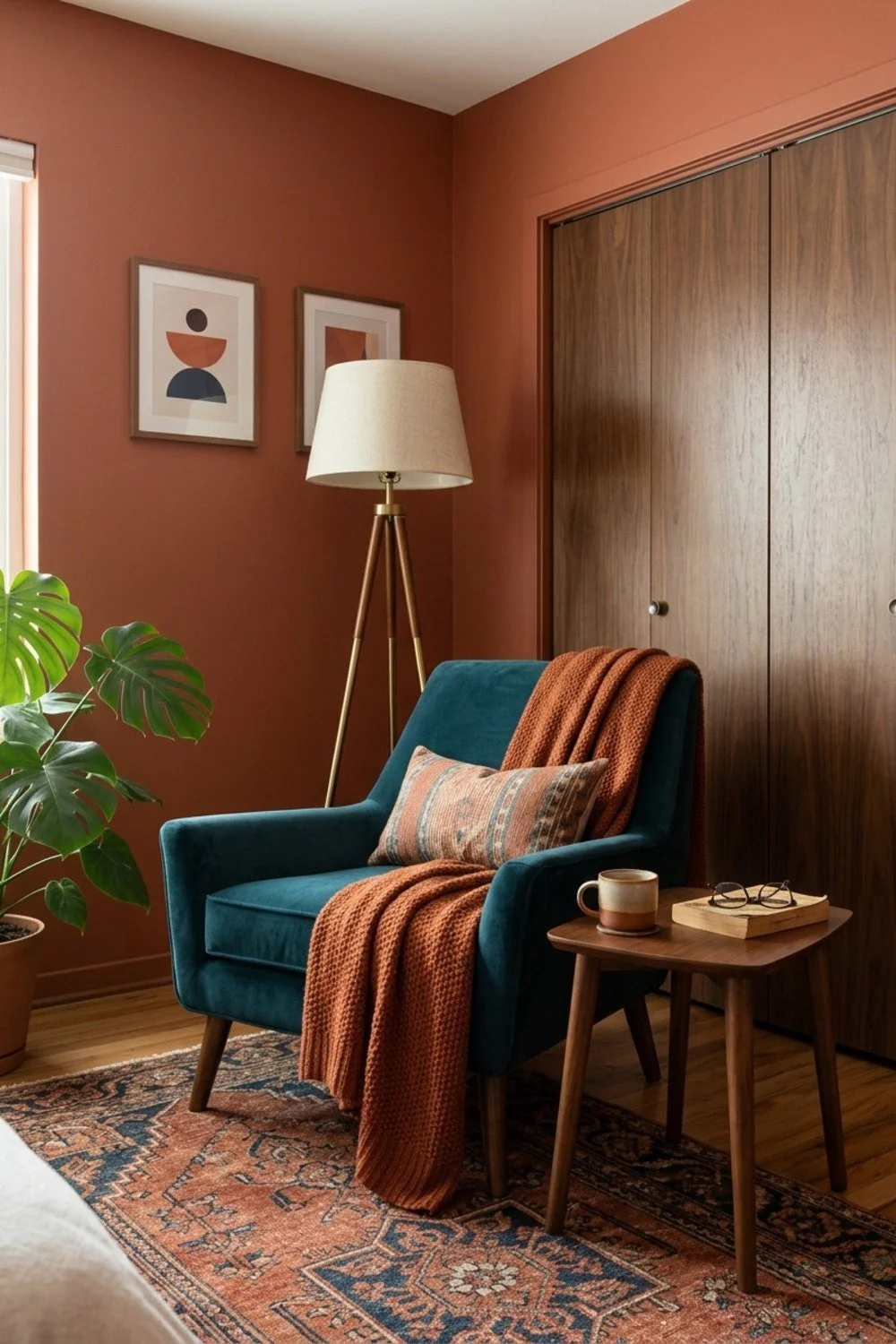
The dead 3-foot strip beside a bedroom closet holds a narrow armchair and a clip-on reading light. Chairs 27-29 inches wide, like an IKEA Strandmon wing chair, fit where nothing else does.
This works for small bedrooms where the bed eats the floor. Keep the chair out of the swing of the closet door, or you’ll bruise a shin every morning.
6. A bay window seat with storage drawers
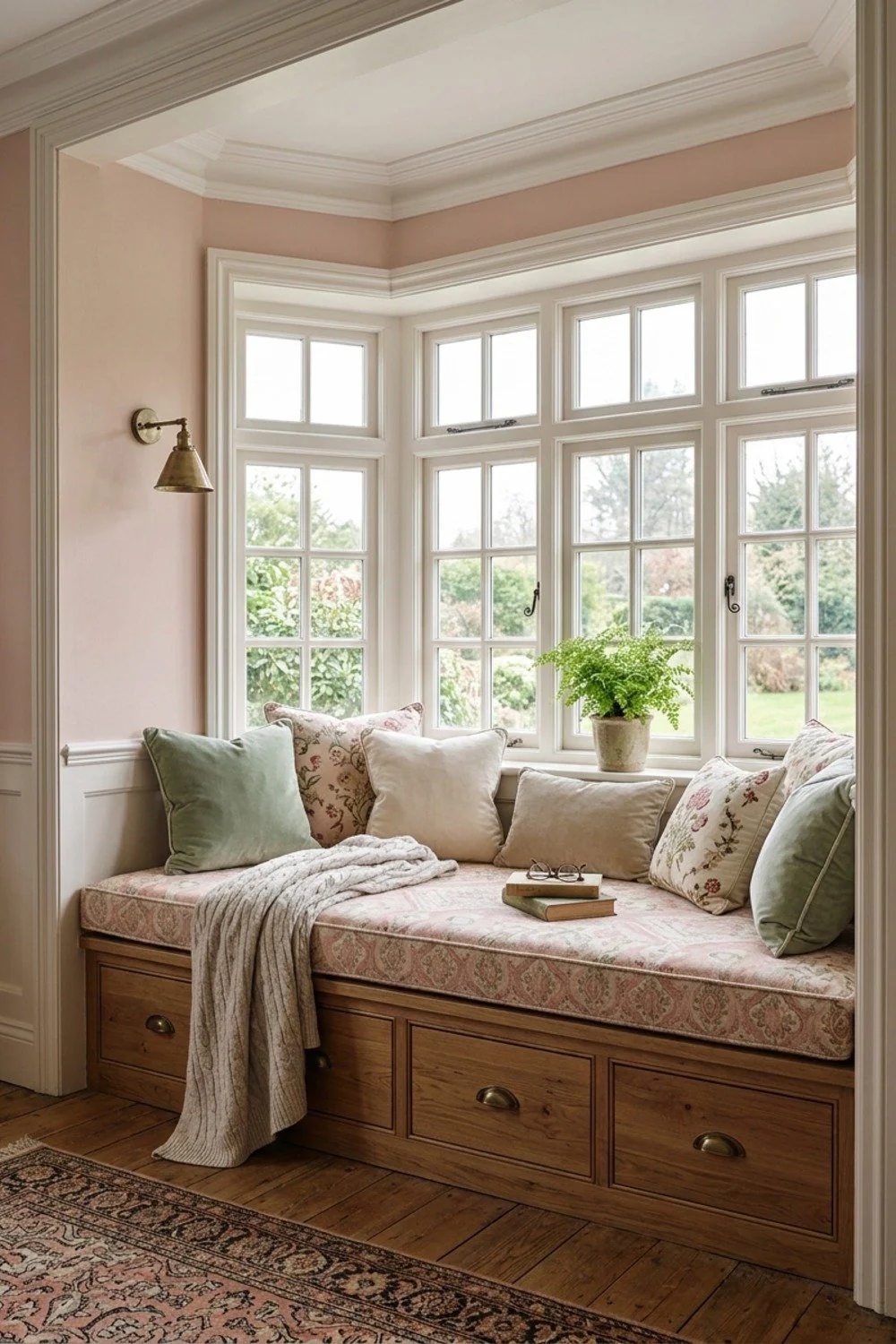
A bay window seat 18 inches deep and 17 inches tall turns an overlooked curve into the best seat in the house. Add a 4-inch cushion in washable cotton duck, since sunlight bleaches cheaper fabrics within two seasons.
Drawers beneath hold throws and the stack of unread paperbacks. The common mistake is a seat shallower than 16 inches, which leaves you perched instead of settled.
7. A headboard-side nook for night readers
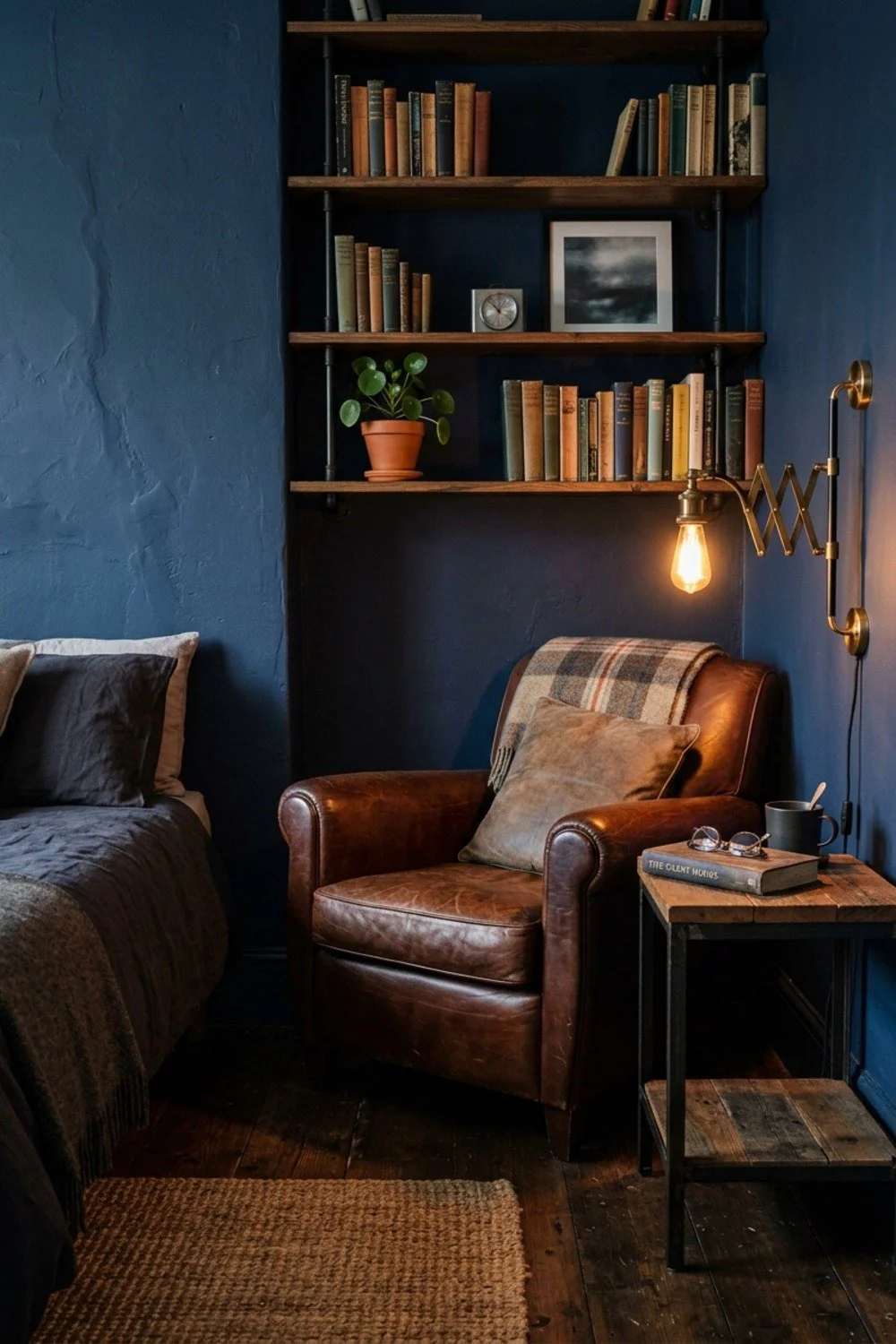
A wall-mounted swing-arm sconce, hardwired or plug-in, lets a partner sleep while the other reads. Choose a bulb at 2700K and about 450 lumens, so the glow stays on the page and off the pillow next to you.
Plug-in sconces with a cord cover are the quick, finished answer for renters. Hardwiring a new fixture is a weekend with an electrician, so decide before the paint goes up.
8. A canopy-draped corner in a teen’s bedroom
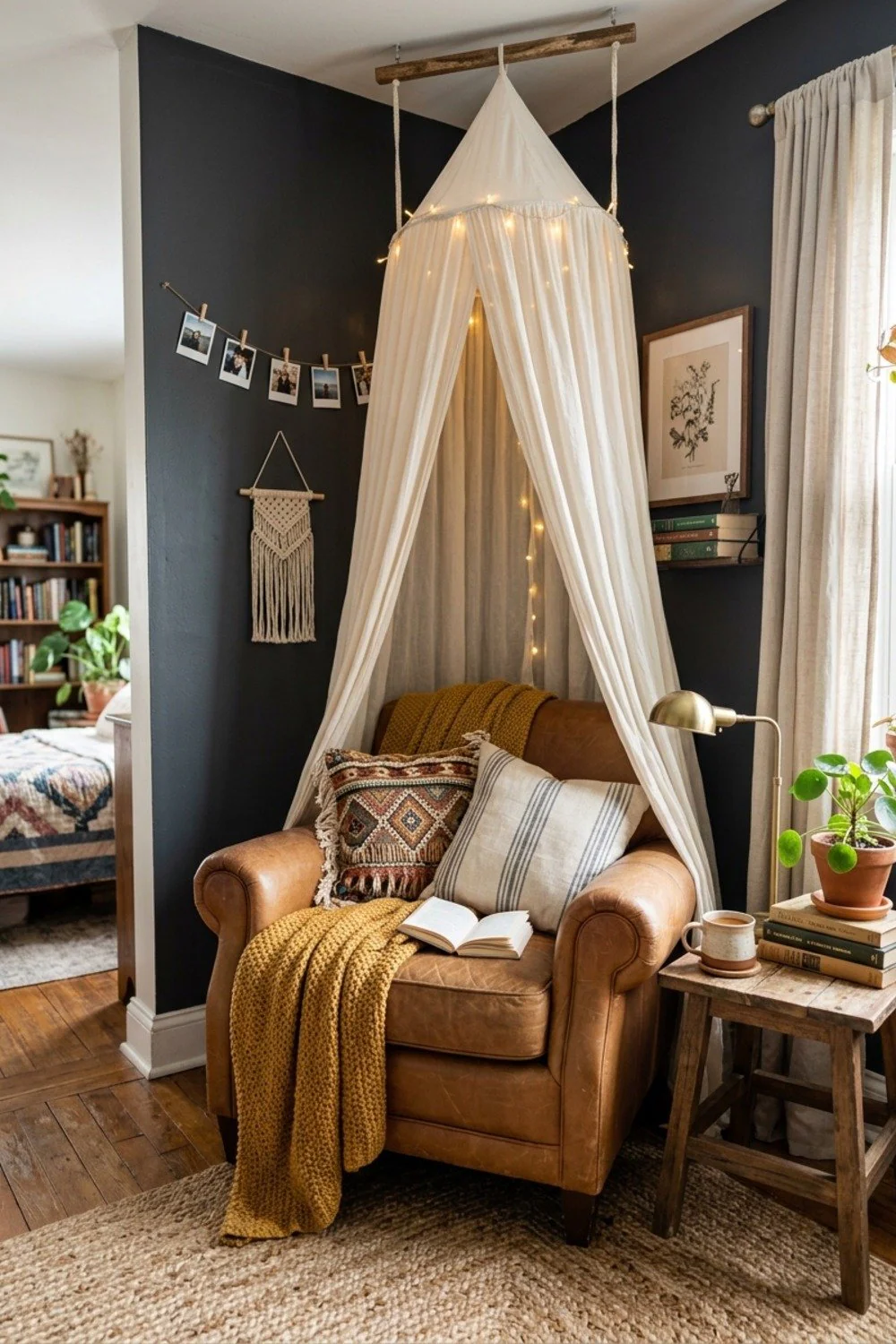
A ceiling hook, 8 feet of linen-blend fabric and a floor cushion make a canopy nook for about $60. Hung loosely, the fabric muffles sound and gives a teenager a sense of privacy in a shared house.
Use lightweight fabric and a hook rated for 20 pounds or more. Heavy velvet looks lovely in photos, then sags the hook out of the drywall within a month.
9. A breakfast-nook banquette in the kitchen
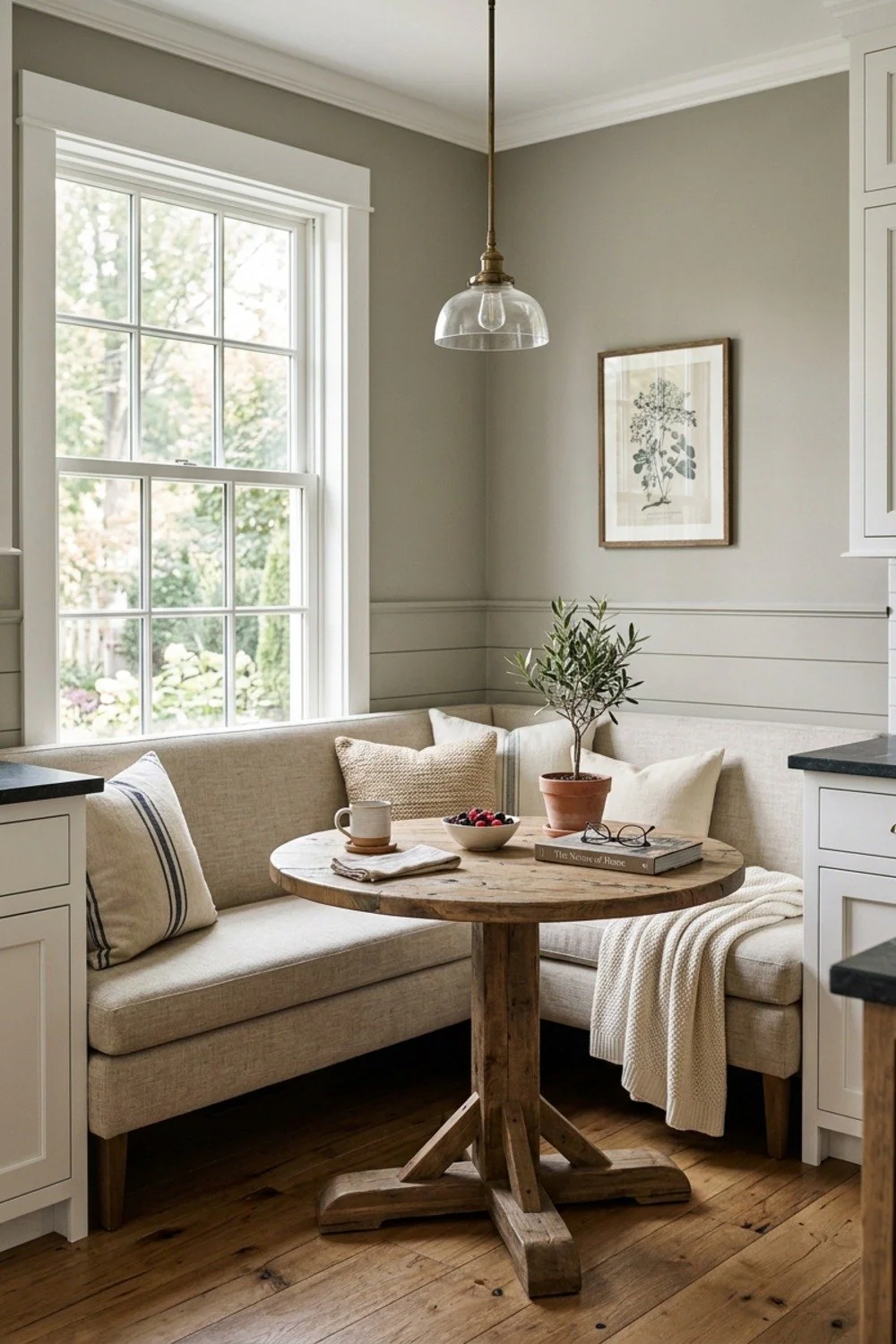
A kitchen banquette 20 inches deep with a 17-inch seat doubles as a reading perch between coffee refills. The sound of the kettle and the smell of toast make it a sociable spot where a book feels optional.
Use vinyl or performance fabric on the seat, because kitchen splatters ruin wool and linen. Keep the table-to-bench gap at 12 inches so you can slide in without a scoot.
10. A kitchen window-side stool and shelf

A counter-height stool at 24-26 inches, tucked beside a window, costs under $90. Add a 6-inch floating shelf for one cookbook and a mug. You get a ten-minute reading station without giving up a single cabinet.
This is for people who read in short bursts, not marathons. Pick a stool with a back or foot rail, since a flat seat gets uncomfortable after about fifteen minutes.
11. A pantry-door nook with a pegboard
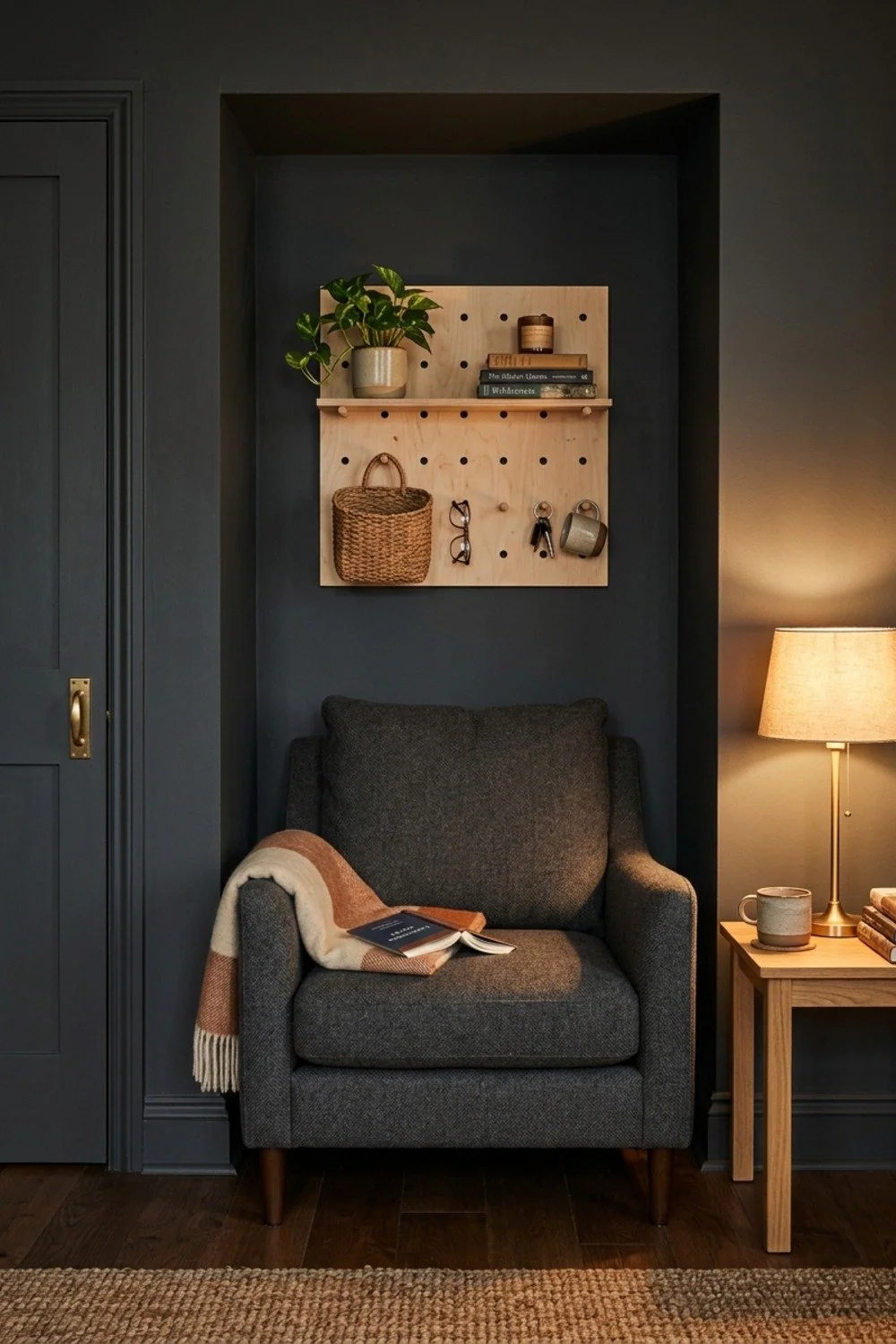
An unused pantry or broom closet, if it’s 30 inches wide or more, becomes a hideaway with one chair, a battery puck light and a pegboard for supplies. Painting the interior a saturated terracotta costs about $40 and hides scuffs.
Ventilate it. A closed, unlit closet traps heat and the smell of old cleaning products, and no one stays long enough to read anything.
12. A bathtub tray and wall-mounted book ledge

A teak or bamboo bath tray runs $35-$60 and holds a book, a mug and a candle across a 27-inch tub. Bamboo resists steam better than pine, which swells and cracks within a year.
This works in a master bath where the soak is a ritual. Keep paperbacks you don’t mind warping, and set hardcovers on a dry shelf outside the splash zone.
13. A heated-towel-rail corner with a teak stool
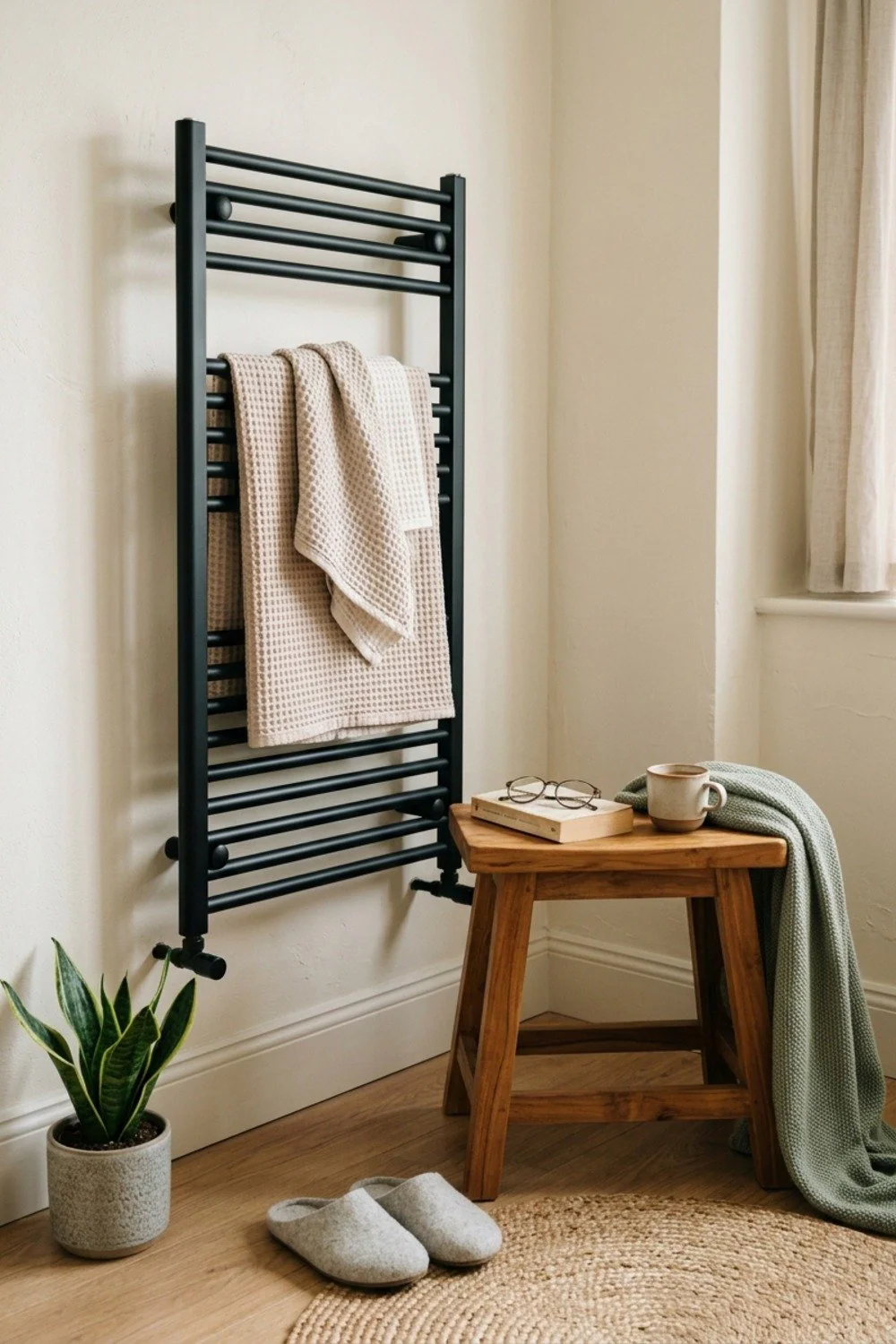
Beside the tub, a teak stool 16 inches high and a heated rail gives a drier, firmer place to sit and read a chapter. The wood grips bare feet and doesn’t go slick the way painted metal does.
It suits larger bathrooms with at least 30 inches of clear floor. In a tiny bath, skip it entirely and choose the tray instead.
14. A stair-landing seat under a window
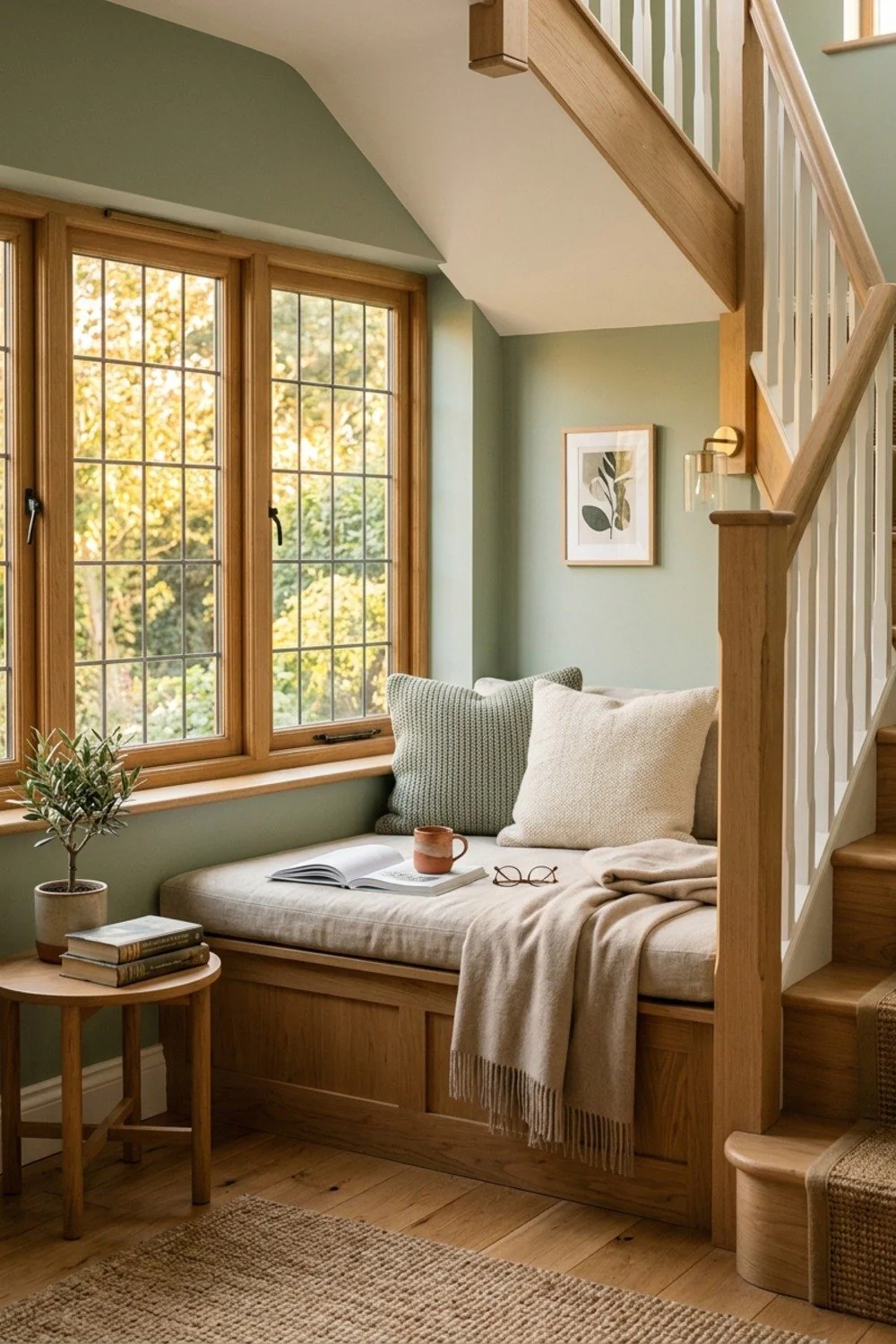
A landing 36 inches wide or more holds a built-in bench with hinged storage, and the stairwell light is often the best in the house. A seat 15 inches deep is enough for a person to sit sideways with their feet up.
Check local code on the clearance before building. Treads and landings have minimum walking widths, and a bench that crowds them can be a hazard in a household with kids.
15. A hallway alcove with a built-in shelf wall
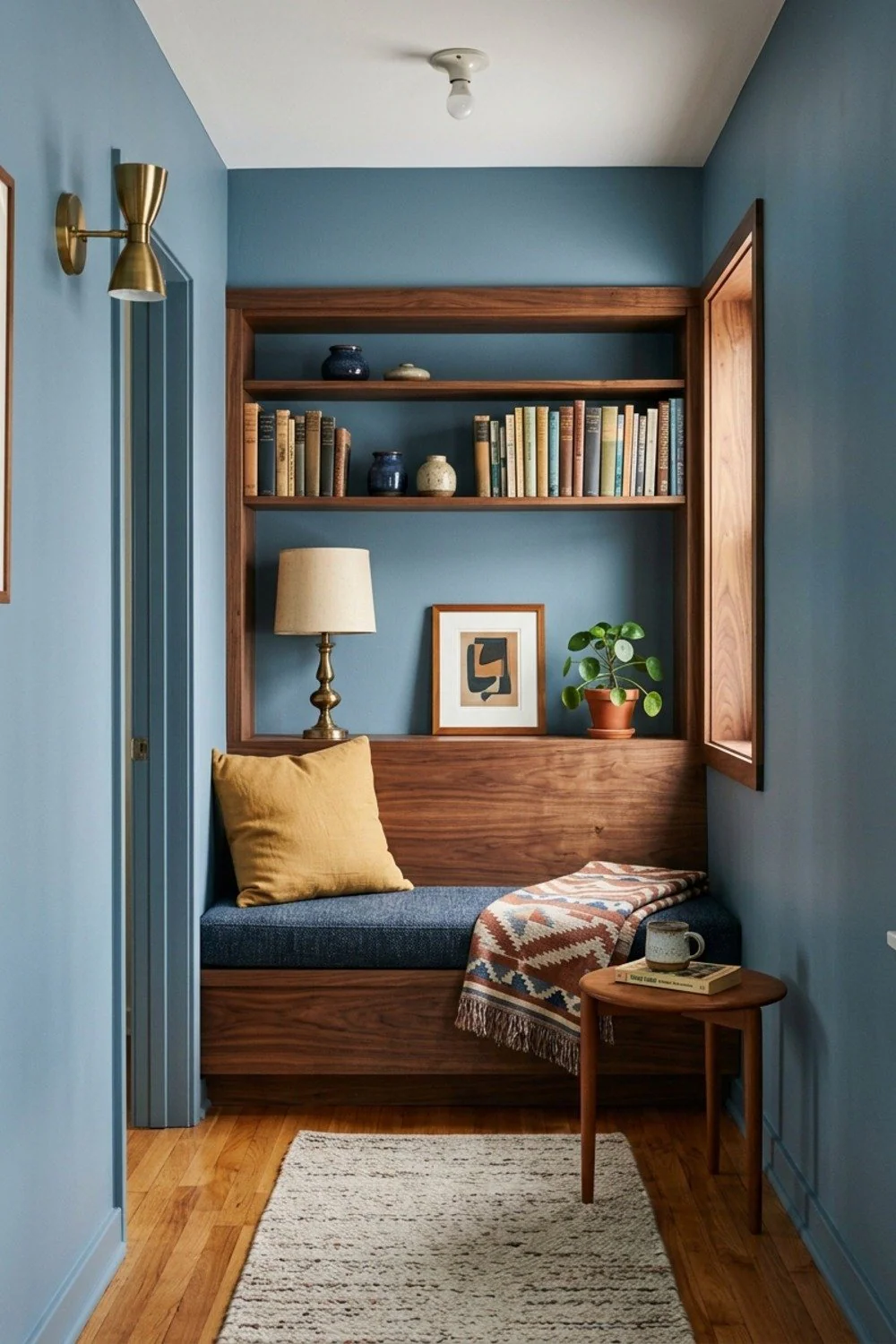
A shallow hallway alcove, even 30 inches wide, can hold a cushioned seat and 8-inch-deep shelves running floor to ceiling. Stained oak runs about $900 in materials, while painted MDF cuts that to about $350.
It’s the right idea for homes with no spare room. Add a picture-light or a plug-in sconce, since hallways are the dimmest rooms and squinting kills the mood.
16. A foyer bench with a coat-hook back panel
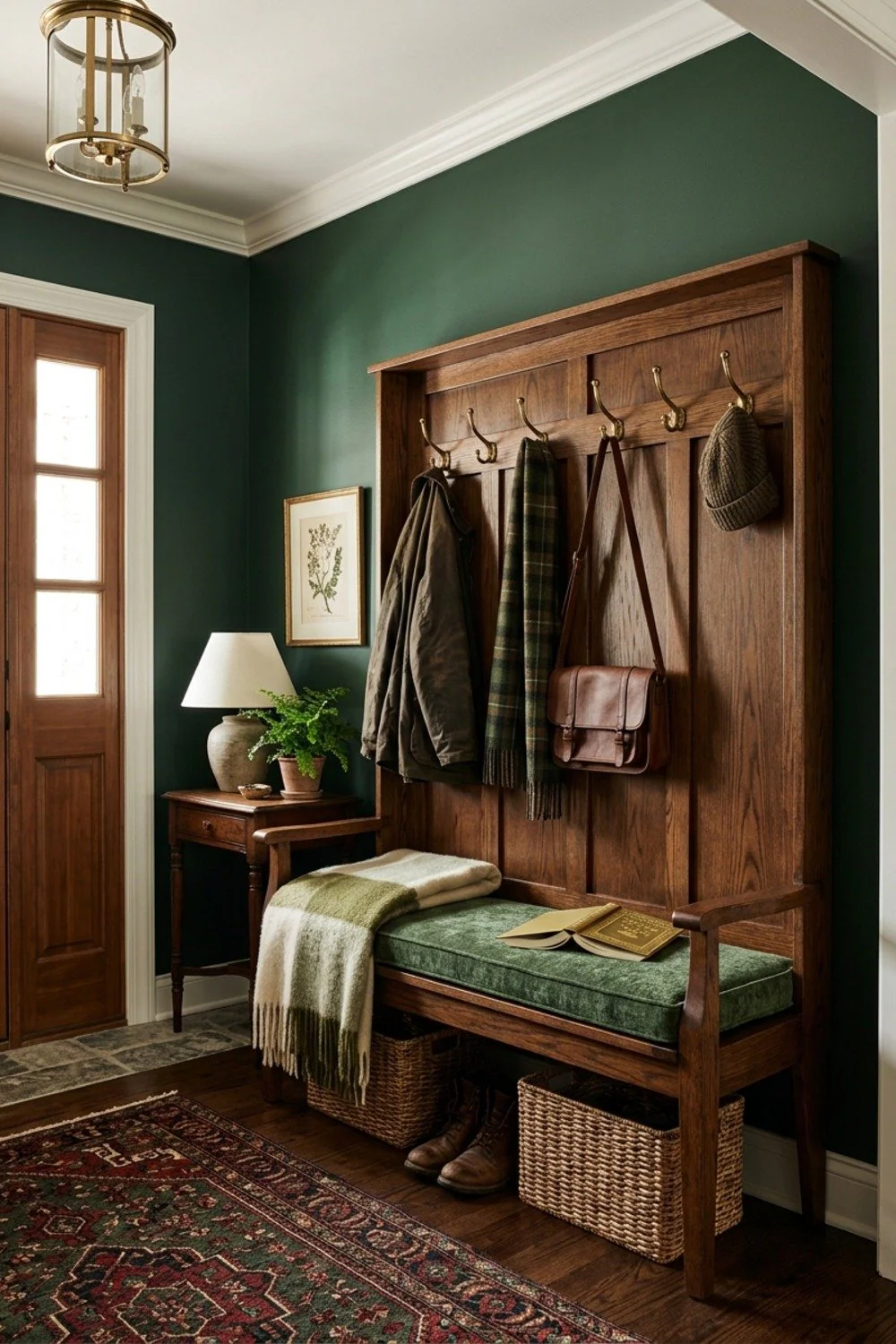
A 42-inch entry bench with a hook rail above it doubles as a seat for shoes and a three-minute read while someone finishes getting ready. Look for a seat height of 18 inches and a woven top, which shrugs off wet boots.
Keep it functional first. Books piled on an entry bench look like clutter, so store a single one in a basket underneath.
17. A sunroom daybed with a bolster
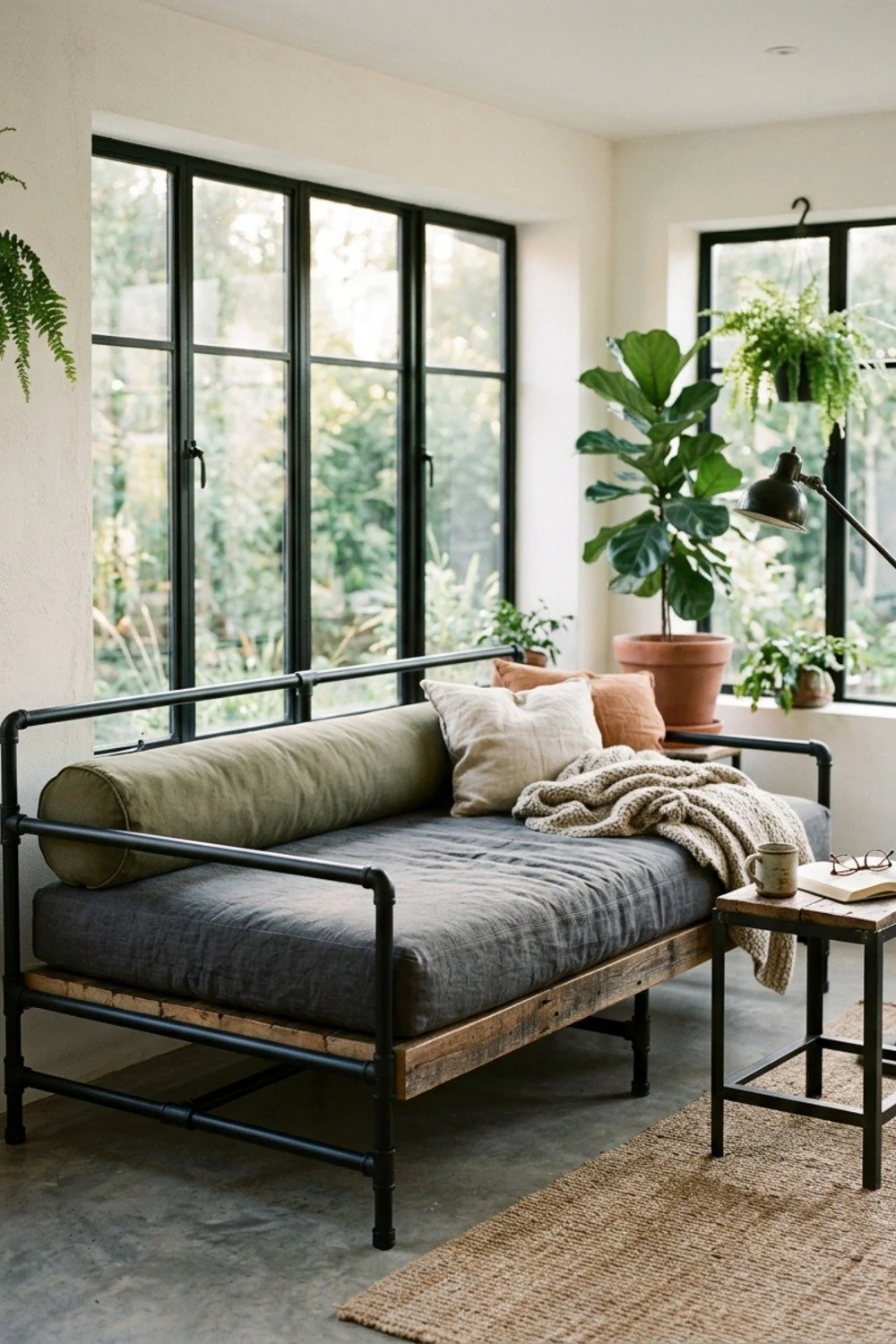
A twin daybed frame at 39 by 75 inches, dressed with two bolsters, is the quickest way to make a sunroom a retreat. Pick a frame in powder-coated metal, since wood warps under strong afternoon sun and humidity.
Choose UV-resistant cushion covers. Plain cotton fades unevenly in about one summer, and the blotchy results can’t be fixed by flipping the cushion.
18. A paint-and-curtain treatment around a plain window
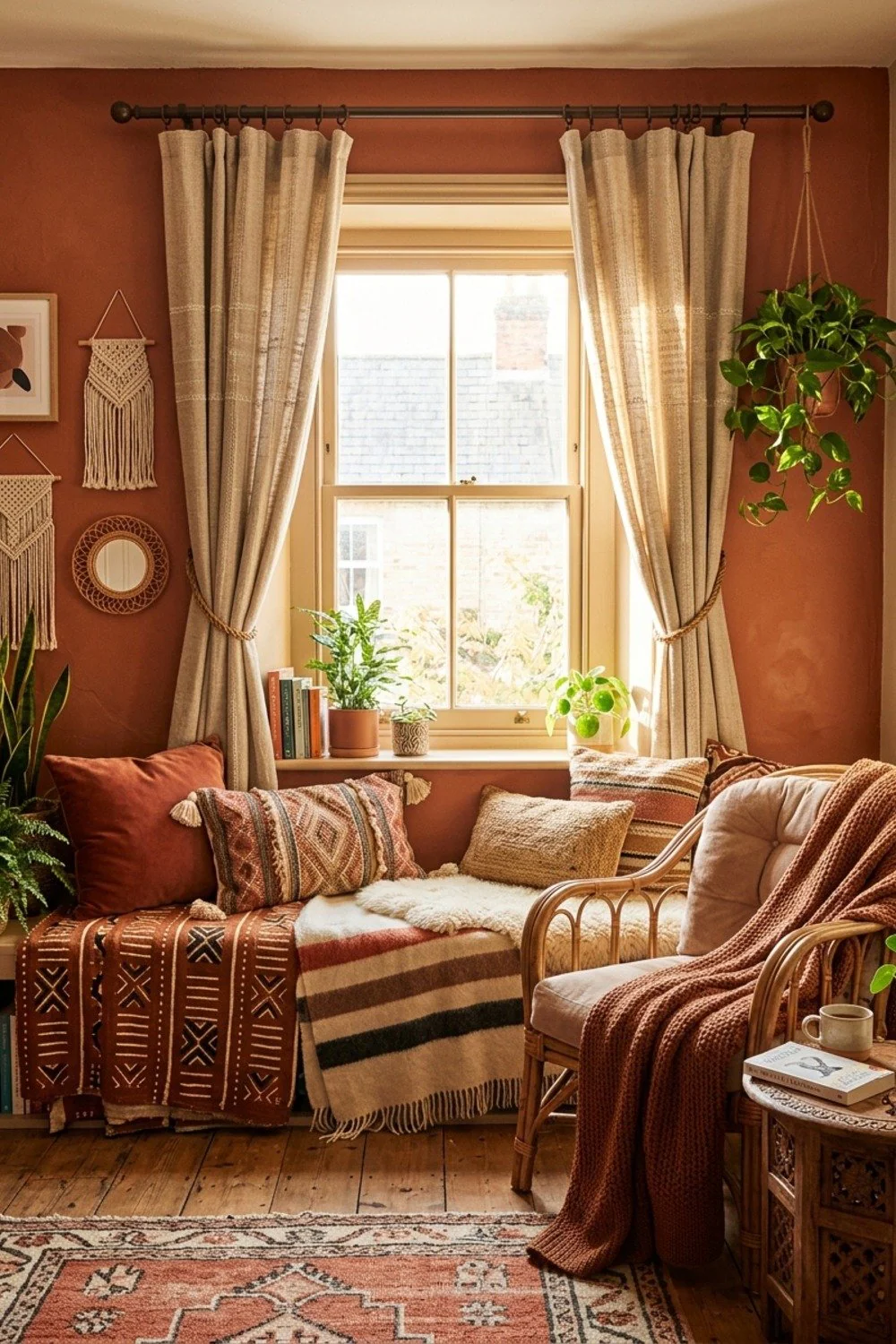
Floor-to-ceiling curtains in a heavy linen blend, hung 4 inches above the window frame, make an ordinary window look intentional. Sunlight filters through at an angle that lights a page evenly, without glare on glossy paper.
Skip tiny café curtains here, since they cut the light without adding any privacy. If the window faces west, line the curtains so the late sun doesn’t heat your lap.
19. A home office reading chair behind the desk

A lounge chair 3 feet behind the desk, angled at 45 degrees, separates reading from work without another room. The turn away from the screen is the whole point, because eyes and posture both reset when the chair faces something else.
It suits anyone who works from home and can’t stop checking email. Use a footstool at 14 inches, and keep a throw within reach. The throw tells your brain the workday is over.
20. A rolling library ladder with a hanging chair

A hanging rattan chair needs a ceiling joist rated for 300 pounds, and the install takes about two hours with the right hardware. Don’t hang it from drywall anchors, no matter what the box says.
Beside a bookshelf with a ladder, it makes a scene out of an ordinary room. A hanging chair swings, so leave a 3-foot radius free or you’ll clip a lamp or a shin.
21. A kids’ tent with a battery lantern
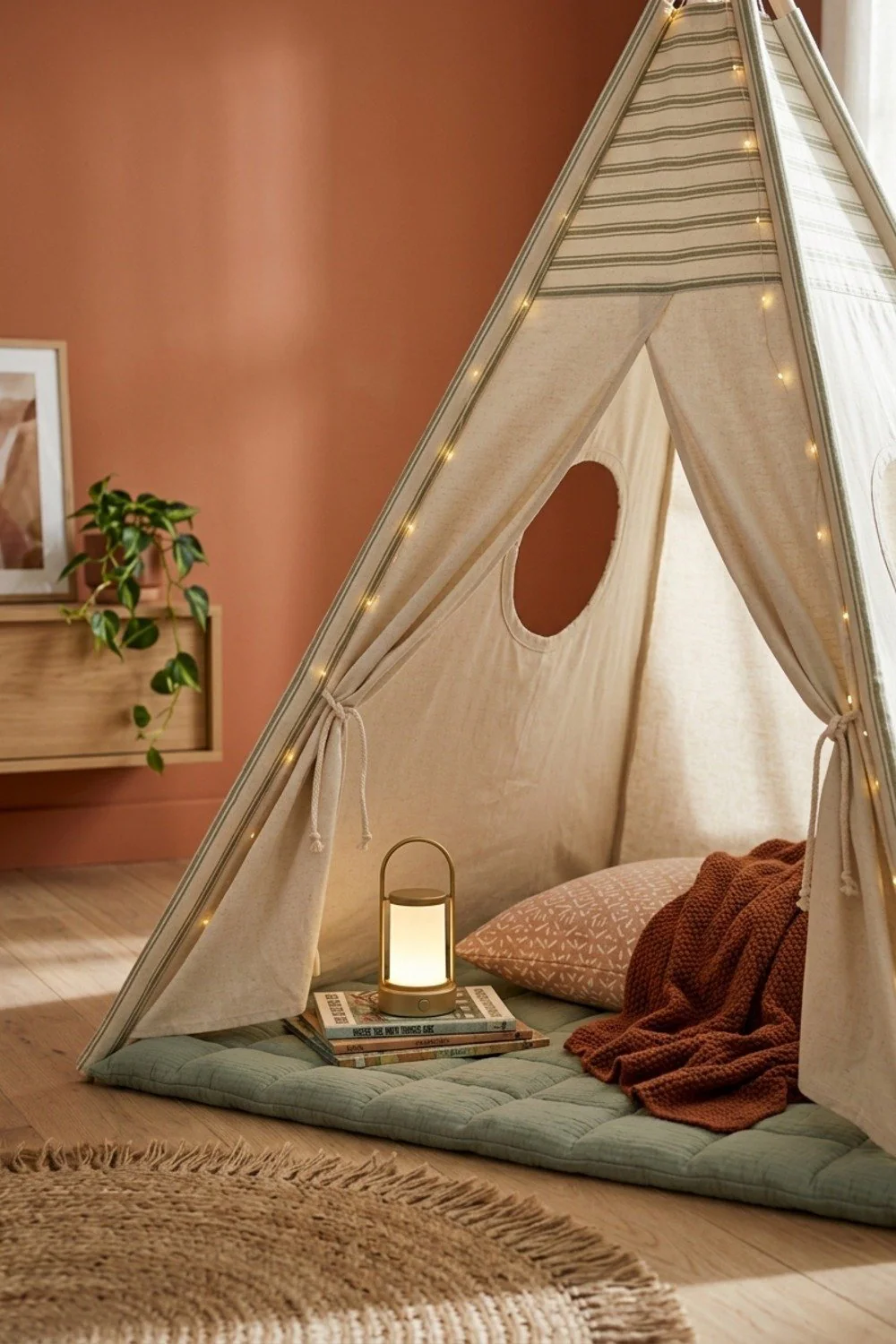
A cotton teepee, around $70-$120, with a floor mat and three pillows gives a child a spot that’s theirs. Cotton canvas is quieter than nylon, which crinkles every time a small body shifts.
This works from age 3 to about 9. Keep the books in a front-facing rack, 24 inches high, so children can pick without pulling the whole stack down.
22. A bunk-bed bottom turned reading cave
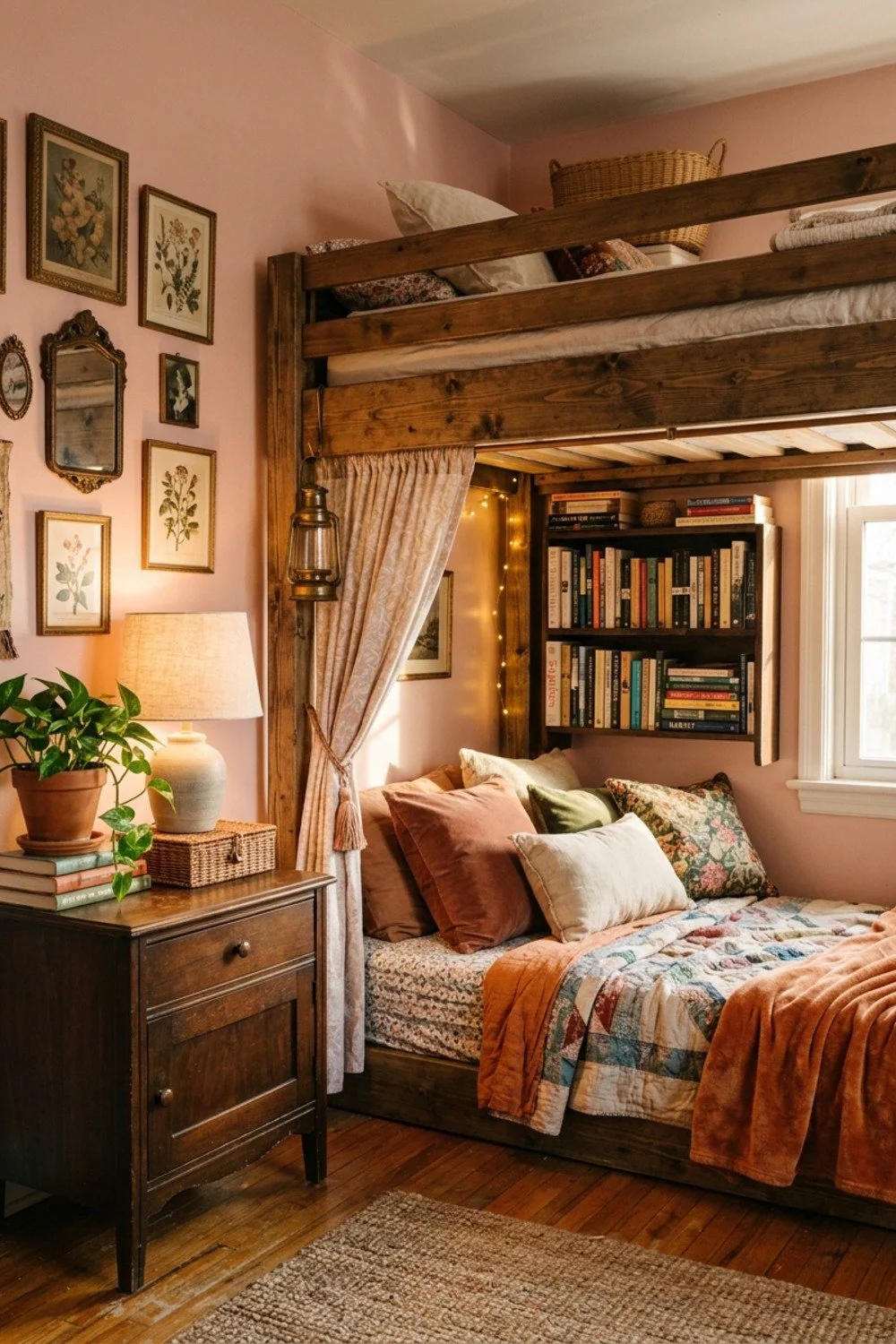
The space under a loft bed, at least 48 inches tall, becomes a cave with a beanbag, string lights and a curtain panel. Skip the curtain rod, which can’t take a child’s weight, and use a tension rod rated for light fabric.
Use LED lights that stay cool to the touch. Fabric draped near a hot bulb is exactly the kind of shortcut people regret.
23. A covered porch swing with weatherproof pillows
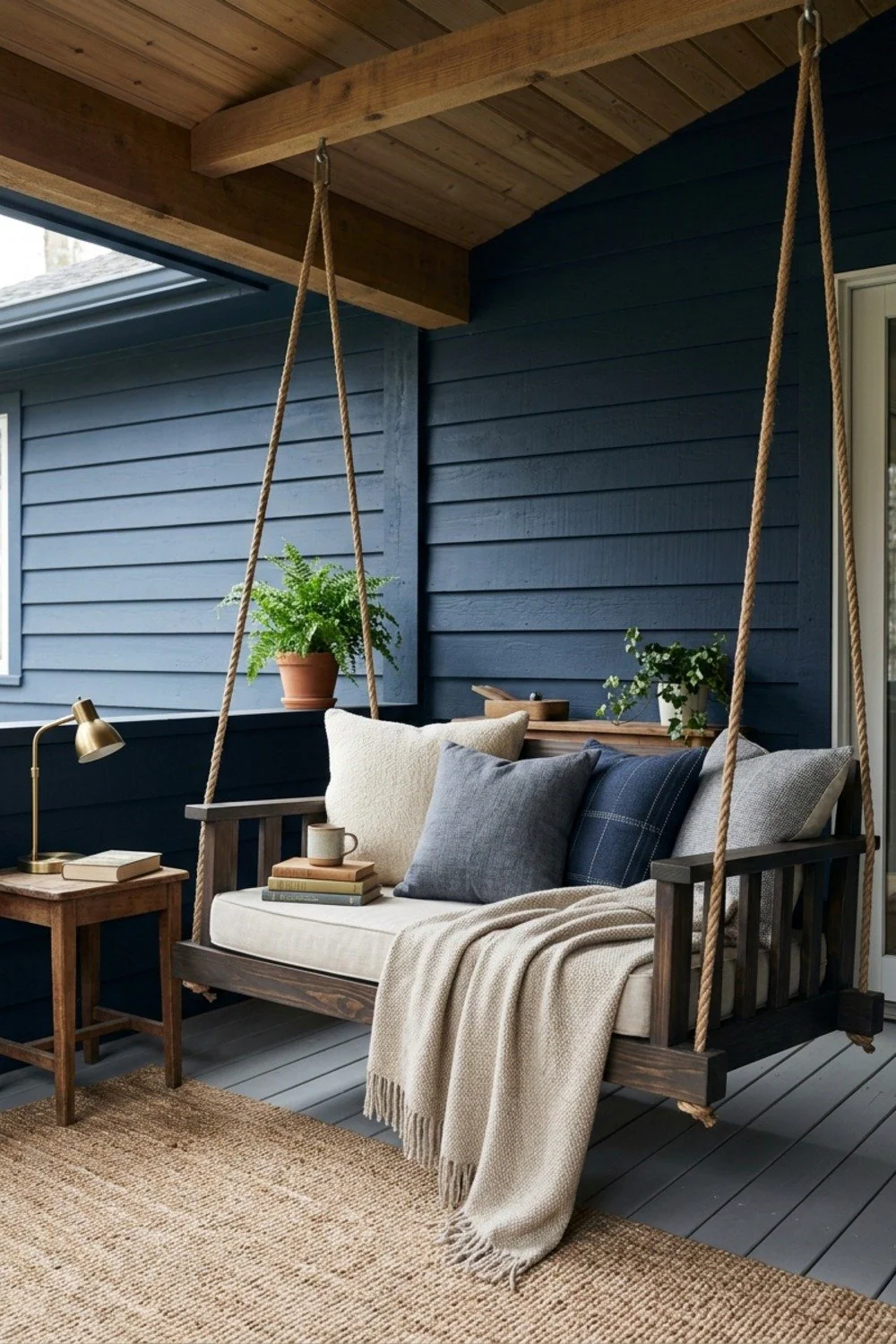
A porch swing 48-60 inches wide with a 4-inch outdoor cushion is the best spot for a rainy Sunday in November, when the drumming on the roof is half the appeal. Solution-dyed acrylic fabric resists mildew in a way that cotton can’t.
Hang it from a beam rated for 500 pounds, and keep the swing 17 inches off the floor. Cheaper chain hardware rusts in one season.
24. A backyard garden bench with a book-box
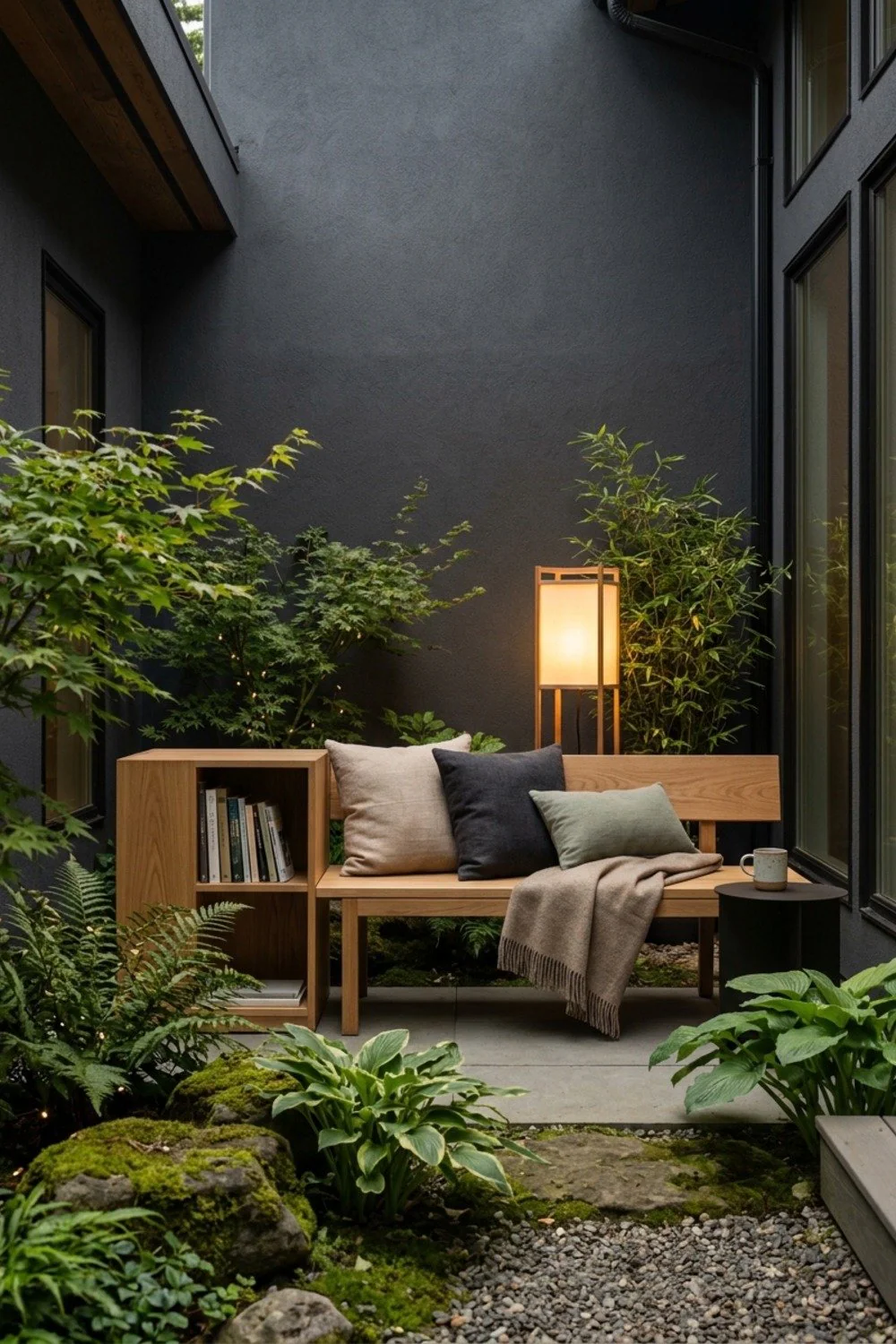
A weatherproof deck box, about 22 gallons, stores a throw and two paperbacks next to a teak garden bench. Teak ages to a silver-gray and needs almost no oil, while pine rots within three years.
Place it where the afternoon shade falls, and angle it toward a view you like. A bench facing the neighbor’s trash cans won’t get used twice.
25. A basement corner with a sectional end
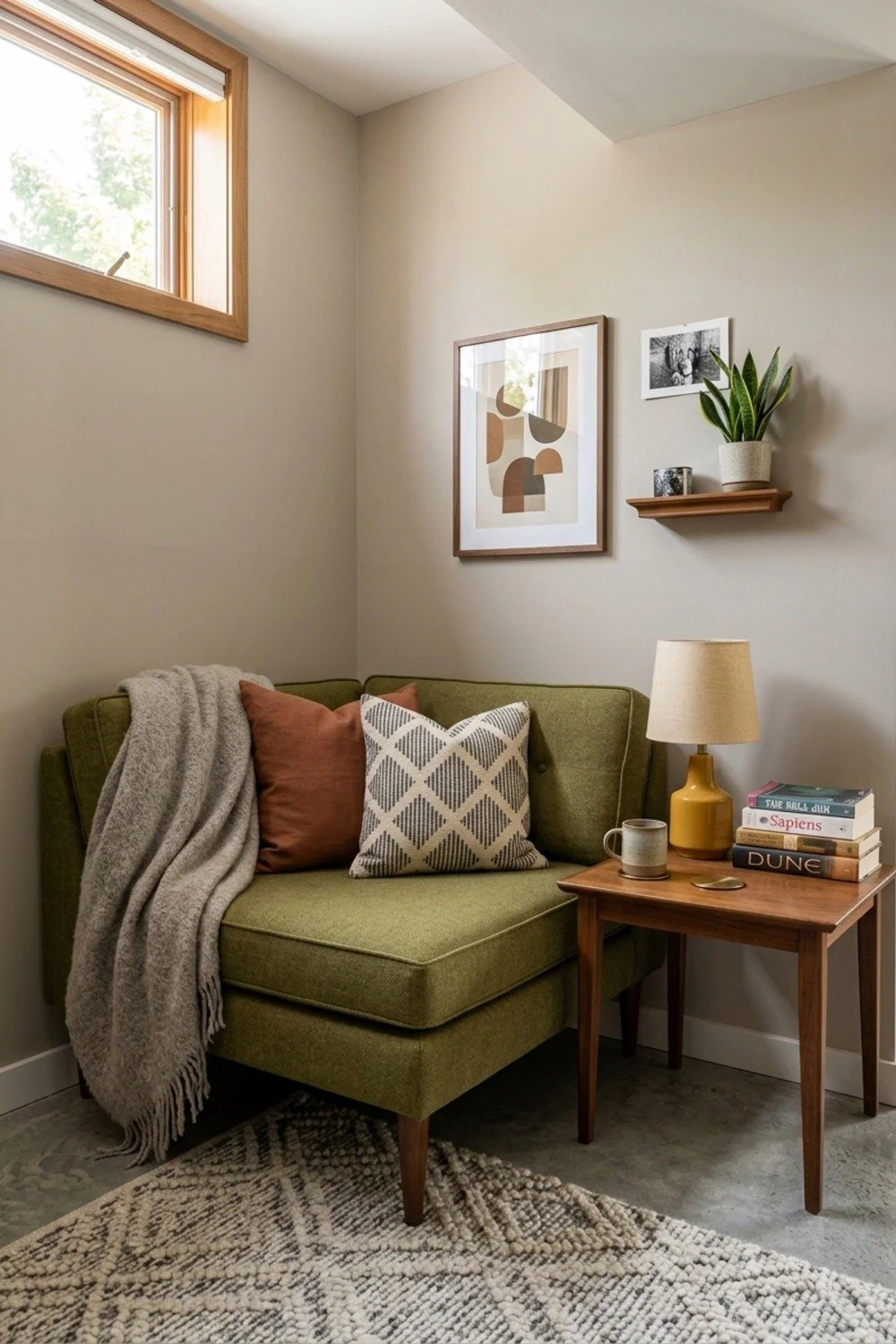
A sectional end piece in a basement corner gives a reader a supported seat. Basements are cool and quiet, which suits readers who can’t concentrate upstairs.
A 5-by-7 wool rug adds warmth to a concrete floor that otherwise saps heat from your feet, and wool stays comfortable even when the slab is cold.
Moisture is the risk. Run a dehumidifier to hold 45-50 percent humidity, or the cushions pick up a musty smell that no spray will fix. Leave a few inches behind the sectional for airflow.
26. An attic knee-wall nook with built-in cushions

Under a sloped ceiling, a 24-inch-tall knee wall can hold a bench with a long cushion, and a 5-foot-wide stretch is plenty. Sloped attic ceilings are tough to furnish, so a custom-cut foam cushion for about $120 is an efficient fix.
Install a skylight or a clip-on lamp, since attics are dim. Insulate first, as an uninsulated attic nook becomes unusable at both ends of the year.
27. A walk-in closet conversion with a velvet chair

A walk-in closet with 4 feet of spare floor can hold a velvet chair and a brass floor lamp, and the clothes work as sound insulation. It’s the quietest nook in the house, and the soft hush of fabric on every side helps concentration.
Move seasonal clothes to a rack elsewhere if the closet is crowded. A half-finished closet nook, with a chair wedged between garment bags, is the half-measure that looks tempting and never gets used.
The finishing touches
Most failed nooks come down to numbers. A seat that’s too deep, a lamp that’s too low or a table that’s too far away will quietly end the habit.
These measurements hold up across nearly every idea above:
- Seat height: 17-19 inches from floor to the top of the cushion.
- Seat depth: 18-22 inches for upright reading, 24-30 for curling up.
- Light: a bulb at 2700K and 800 lumens, placed over your shoulder, 40-50 inches off the floor.
- Side table: within 18 inches of the seat, and 16-24 inches tall.
- Walkway clearance: 30 inches around the nook, so no one steps over your feet.
Here’s the counterintuitive part. A nook under 5 feet wide usually feels more restful than a large one, because the walls and furniture frame it enough to signal that nothing else is expected there.
Hang a plug-in sconce for the light… actually, no, scratch that. A rechargeable clip-on lamp beats it in a rental, because there’s no drilling, no cord to hide and no deposit to lose.
Half-measures are tempting. A single throw pillow on a hard dining chair fits a reading nook about as well as a paper umbrella fits a monsoon. Do the whole setup in one afternoon: seat, light, table, throw.
Making it flow between rooms
Reading nook ideas for Cozy Corners work best when they look like they belong to the house. If every nook uses a different palette, the home feels like a furniture showroom with no editor.
Repeat three things from room to room:
- One fabric texture, such as bouclé, linen or wool, in at least one throw or cushion per nook.
- One metal finish, either brass or matte black, on every lamp and hook.
- One bulb temperature, 2700K, so the light shifts smoothly as you walk from room to room.
Keep a basket of the same woven material in each nook for books and a throw. When the baskets match, the nooks read as a set instead of a scattering of random chairs.
Vary the scale, not the style. A bench in the hallway, a chair in the bedroom and a daybed in the sunroom can all share a deep-green cushion and still feel completely different in use.
Where to start
Pick the corner you already walk past every day, then match it to one of these 27 reading nook ideas for Cozy Corners. Measure the footprint, choose a seat at 17-19 inches high and buy the lamp before the chair.
Save or pin this list so it’s handy when you’re ready to build. Then try idea 1, 5 or 17 first, since each can be finished in a single afternoon with a tape measure and a $50 lamp.
Frequently Asked Questions
How much does it cost to set up a reading nook?
A basic nook with a secondhand chair, a $40 lamp and a throw runs $120-$250. Built-ins, custom cushions and window seats push it to $600-$1,500. Most of the 27 reading nook ideas for Cozy Corners above land between $80 and $600.
Can a reading nook work in a rental?
Yes, if you stick to freestanding pieces. A swivel chair, a clip-on or rechargeable lamp and a tension-rod canopy need no drilling. Skip anything that has to be anchored to studs, unless your lease allows patching holes.
What’s the best light for reading in a nook?
A warm 2700K bulb at about 800 lumens, set over your shoulder, is gentle on the eyes and doesn’t glare on the page. Avoid a lamp that sits directly in front of you, since that casts a shadow across the book.
How can a nook avoid turning into a clutter spot?
Give it one basket, one shelf and a rule about what lives there. A nook with a single closed basket stays tidy, while an open one collects mail and laundry within about two weeks.