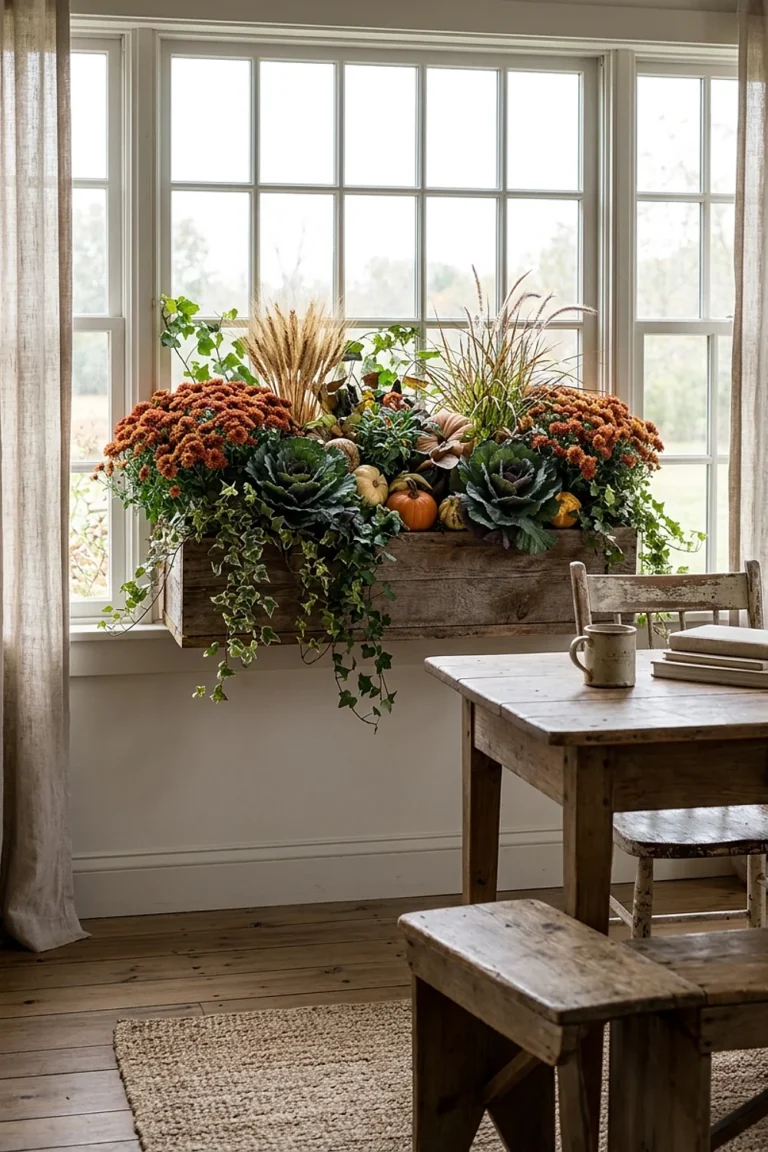
Does a fall table have to be orange, glittery, and crowded with plastic gourds? Not even close. These fall tablescape ideas start from the opposite instinct: fewer props, better materials, and a table that still looks right in January.
Picture a rainy Sunday in late October. The oak top is bare, ringed with water marks, and holding one lonely wicker tray. Every entry below runs from that kind of before, through the process, to the after, and flags the mistakes that make a seasonal table look dated by December.
Fall tablescape ideas: Starting points for your space
1. A rust linen runner over bare oak
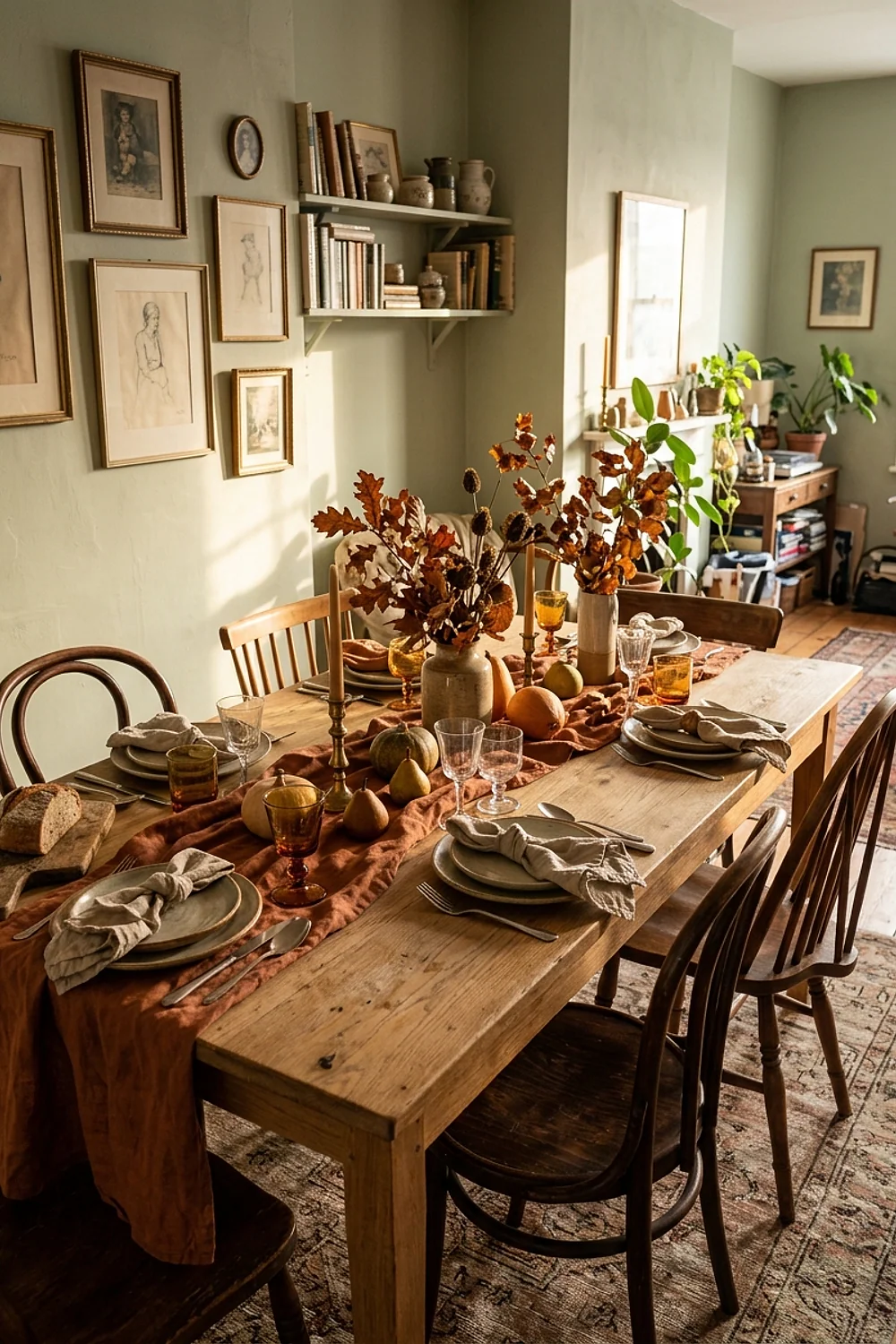
Before: a scratched oak top with a ring-marked middle and nothing to hide it. After: a 14 by 108 inch stonewashed linen runner covers the worn stripe and leaves the wood showing at the edges. Run a palm across it and the nubby weave feels like cool sand, which gives comfort before a single plate lands.
This suits households that eat at the table daily, since linen washes soft and wrinkles in a relaxed way. Skip polyester versions. They slide around and shine under candlelight. Let each end hang 10 to 12 inches past the table edge.
2. Three heirloom pumpkins instead of a dozen orange ones
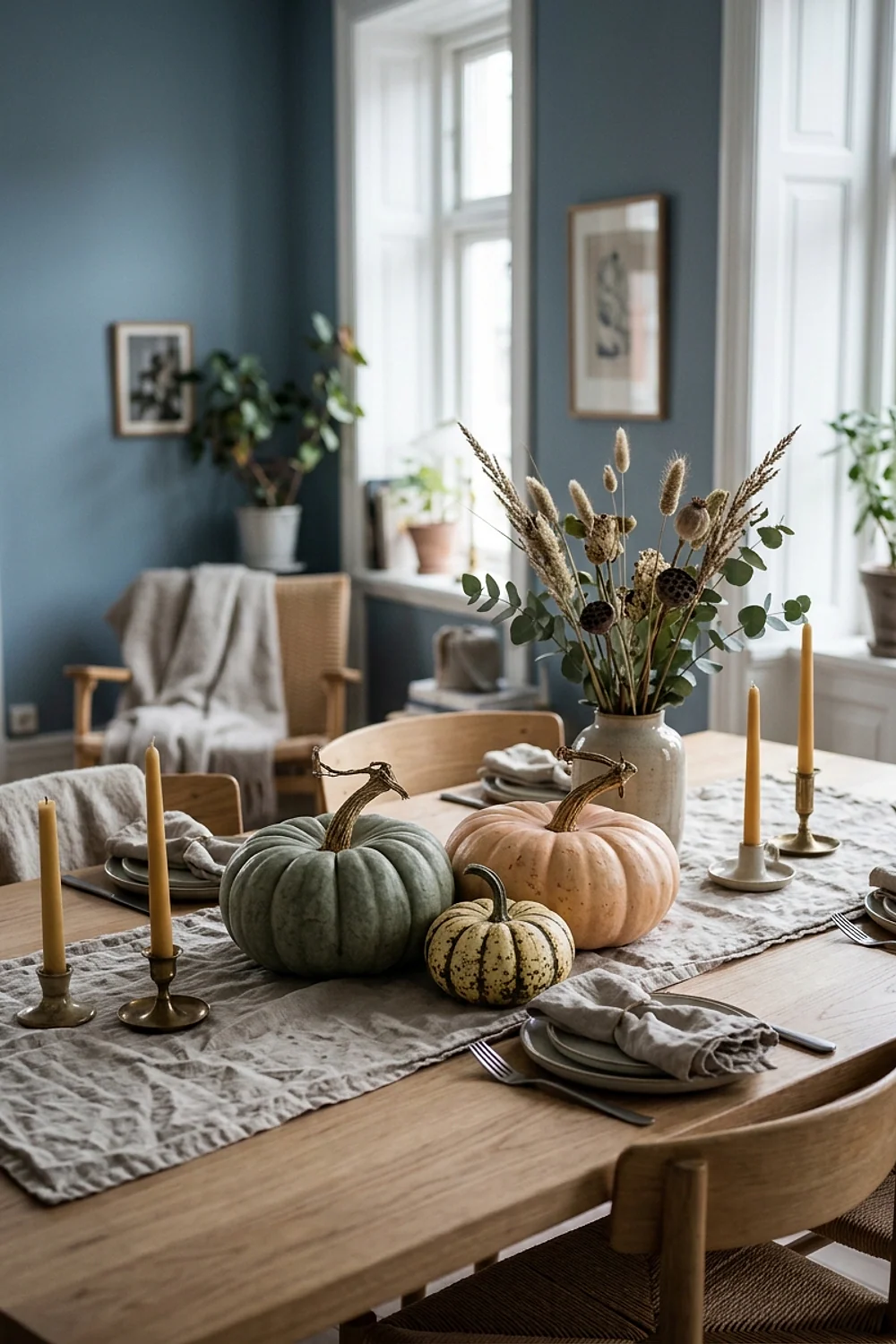
Before: eleven identical orange pumpkins heaped in a basket. The common early mistake is buying in bulk because the pile looks generous at the store. It backfires because matching orange reads as a costume, and the whole stack has to be tossed or hidden by November.
After: one gray Jarrahdale, one pale Cinderella, and one white Lumina at different heights. At farm stands they run about $4 to $8 each. They suit anyone who wants the table to look collected, and they can move to the porch step once the season turns.
3. Beeswax tapers in brass holders
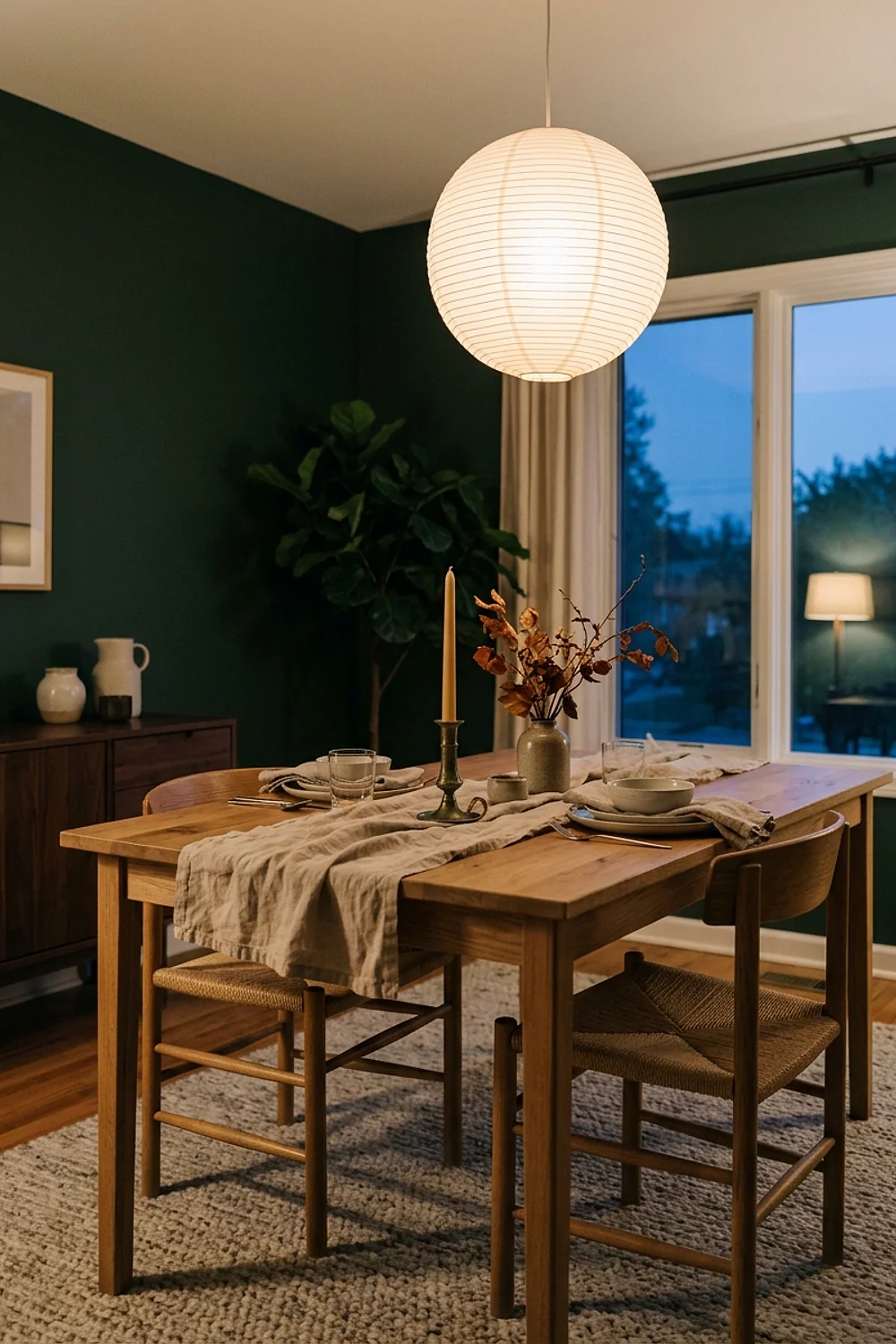
Supermarket tea lights, clustered together, kept going out one by one in the old setup. After: two 12-inch beeswax tapers in 4-inch brass holders, giving off a faint honey smell as they burn. Beeswax burns slower and drips far less than paraffin.
This works best for dinners of four to six, where two flames light the whole table. The holder socket should fit the standard 7/8 inch taper. Too wide and the candle leans by the second hour.
4. A centerpiece capped at 12 inches tall
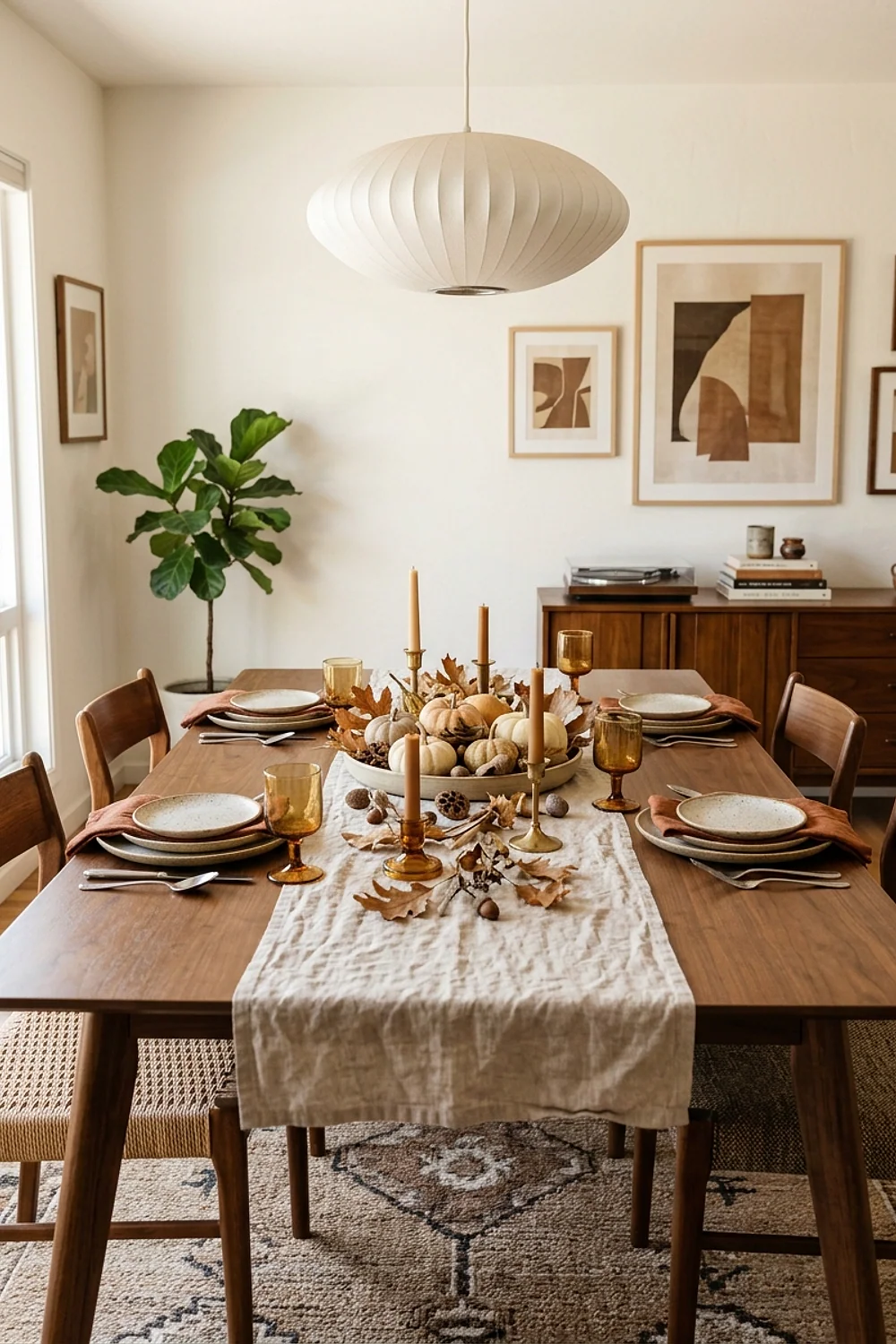
A 16-inch arrangement of faux sunflowers sat in the middle of a 36-inch-wide table. Guests leaned sideways to see each other. After a swap to a low bowl of pears and acorns, the conversation ran straight across the table again.
Seated eye level sits about 12 inches above a standard 30-inch table, so anything taller blocks sight lines. This matters most for small gatherings where everyone talks to everyone. A tall arrangement is fine only if the stems are thin and start above 20 inches.
5. A lidded bin that holds the entire autumn kit
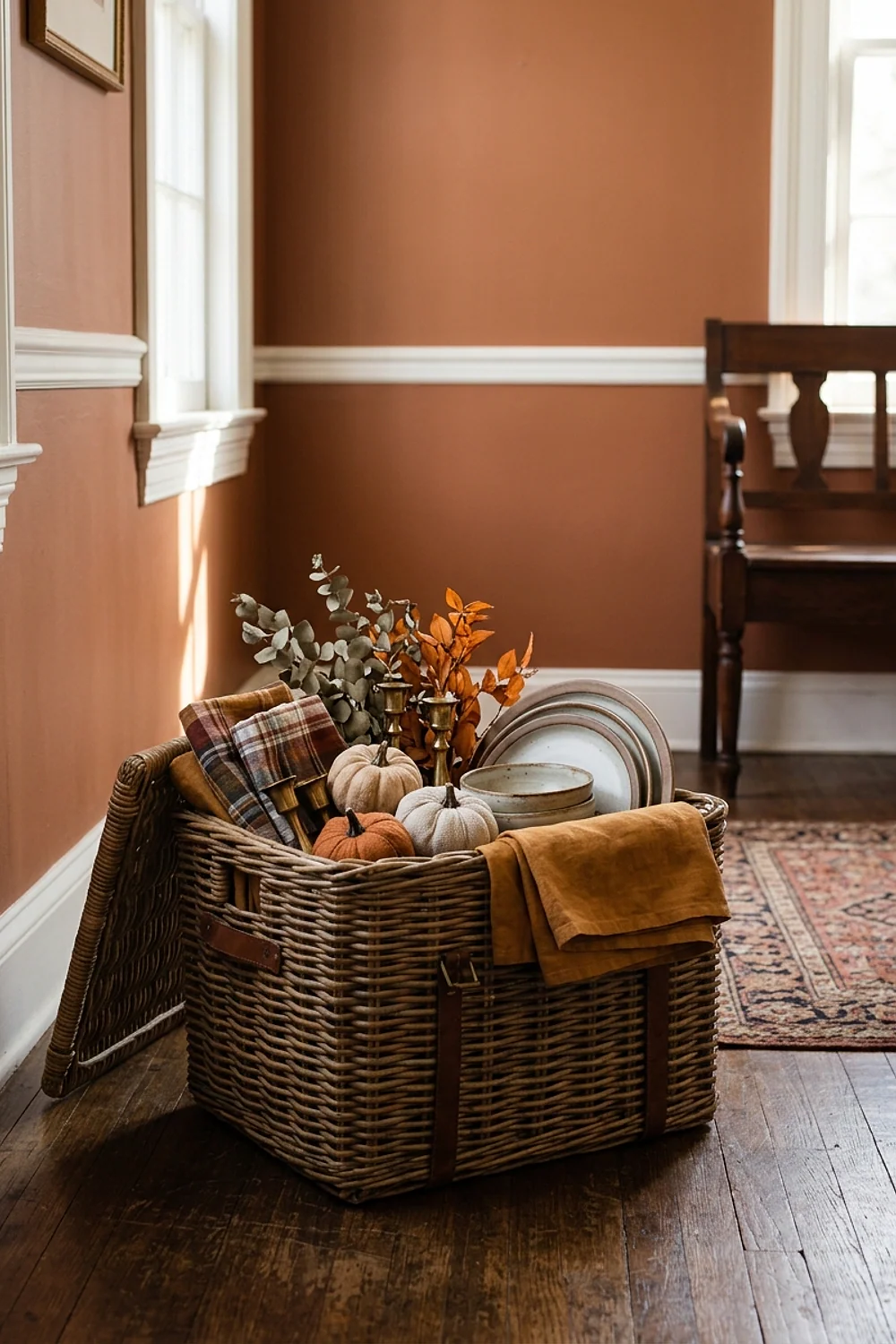
Before: napkin rings in a junk drawer, tapers in the garage, runner somewhere upstairs. After: a 24 by 16 by 8 inch lidded wicker bin under the sideboard that holds every seasonal piece. The table gets set in ten minutes instead of a forty-minute hunt.
Wrap the candles in tissue and keep the bin indoors. Attic heat above 90 degrees Fahrenheit softens wax and warps it. Anyone who sets this table more than twice a season will use the bin more than any single decoration.
6. Burnt sienna, olive, and cream
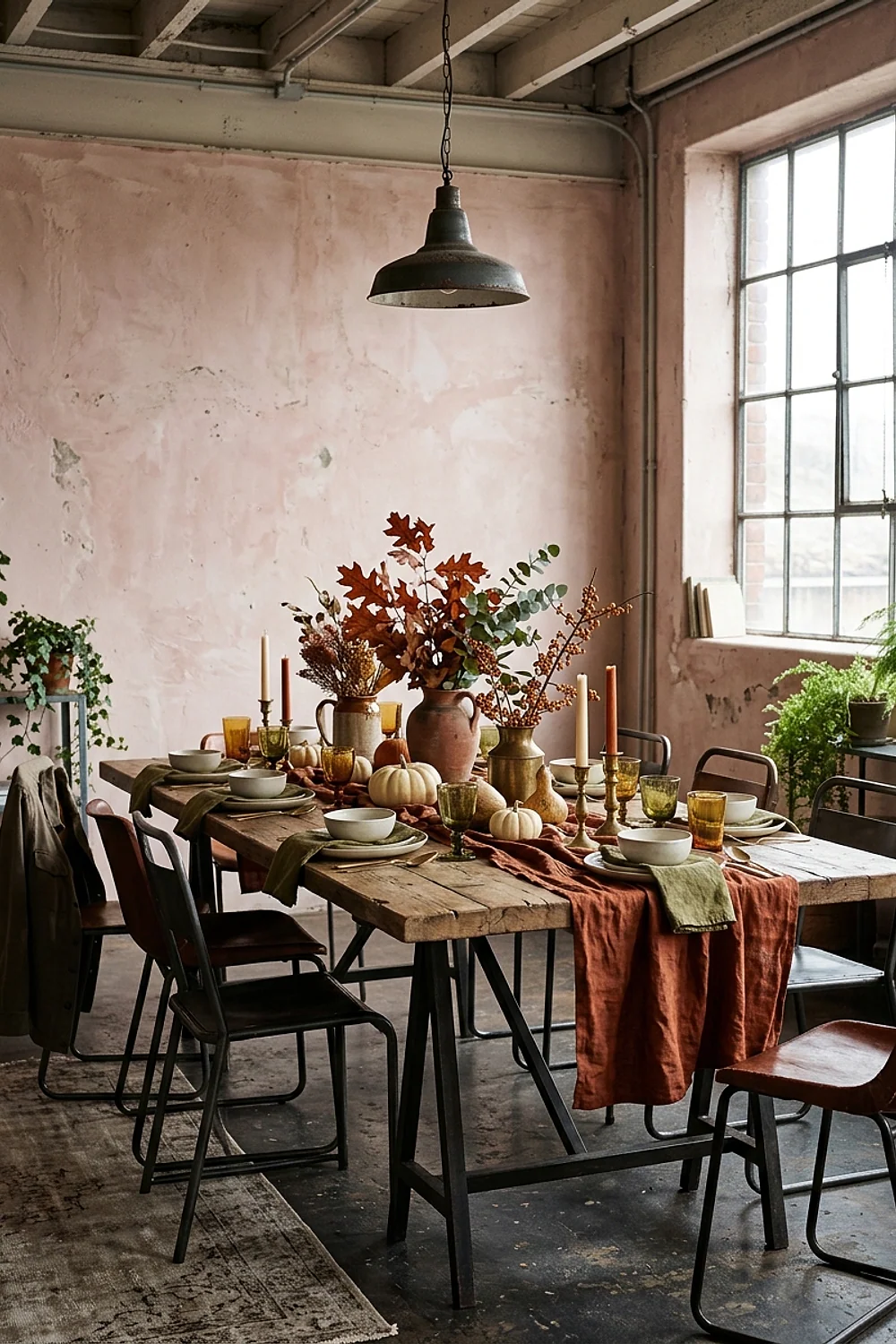
Before: red, orange, and yellow in equal parts, which looked like a candy corn bag. After: cream linen as the base at roughly 60 percent, olive stems at 30, and burnt sienna napkins at 10. The palette clicks into place the way a good paint swatch does under afternoon light.
Low-saturation color is easy to live with beside existing walls and floors. Hold to three colors plus the wood. A fourth hue is where the table starts to look like a craft aisle.
7. A lazy Susan carrying a cheese board
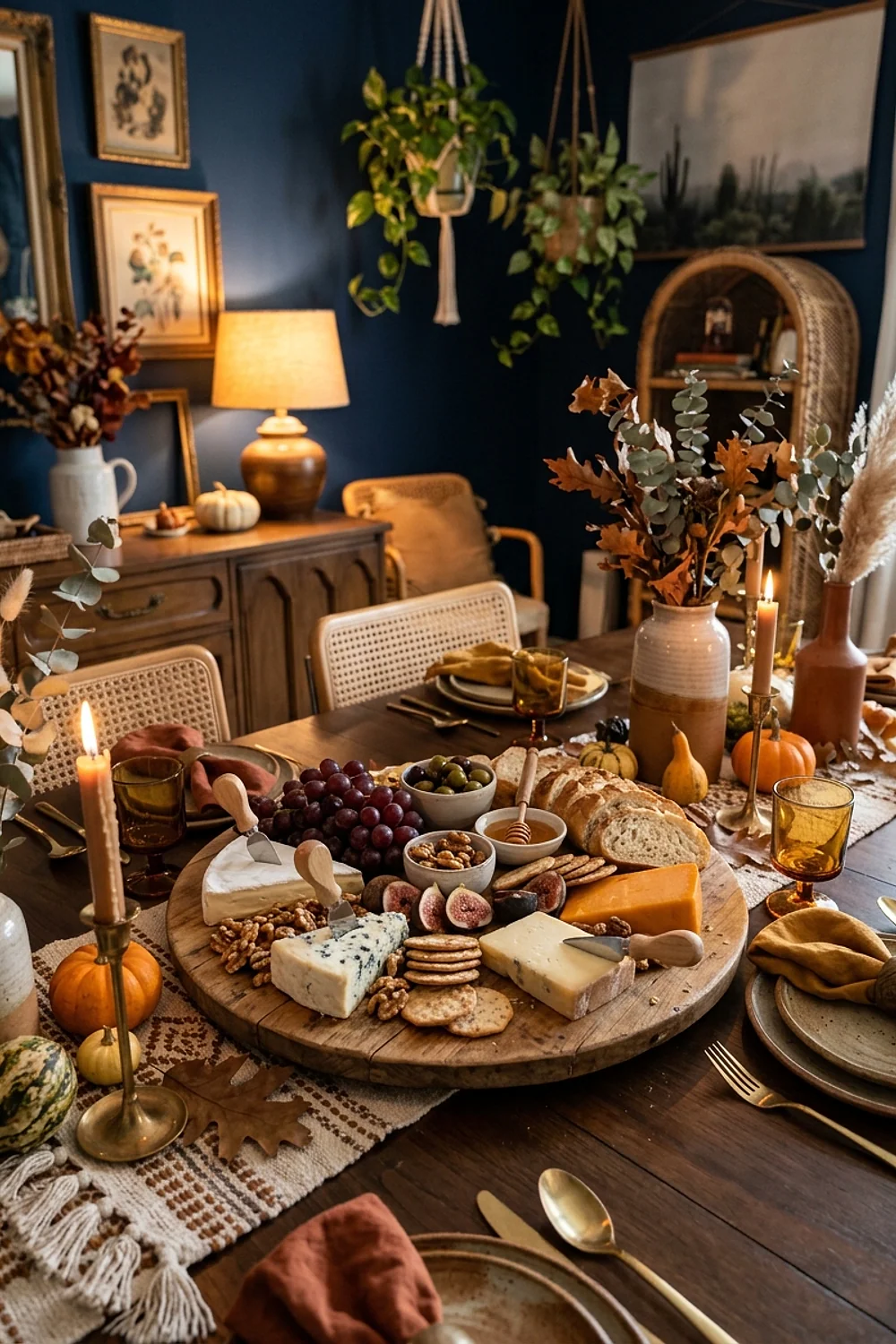
Four times during dinner, the old centerpiece got lifted and moved out of someone’s way. After: a 16-inch walnut lazy Susan with a cheese board, pears, and a small bowl of walnuts, turned by hand. The centerpiece became the thing everyone reaches for.
It suits round tables or rectangles at least 42 inches wide, seating six to eight. Keep the turntable under 18 inches on anything smaller than 48 inches across. Otherwise guests lose elbow room and plates hang off the edge.
8. Three candles at three heights, with the pendant dimmed
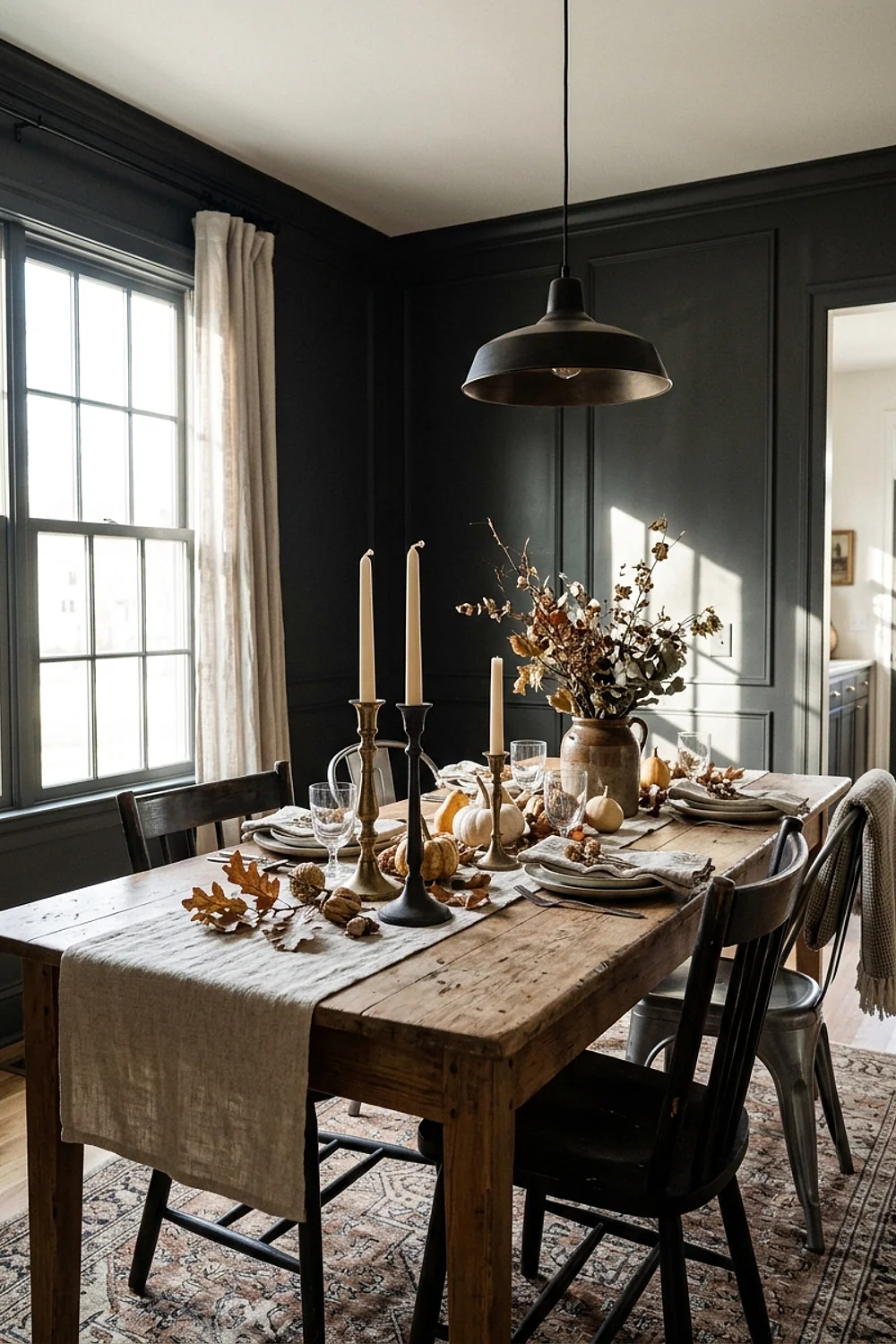
At 4pm in late October the window light turns the color of weak tea, and by 5:30 it’s gone. Before: an overhead pendant at full brightness flattening every surface. After: a $15 plug-in dimmer set to about 30 percent, plus candles at 6, 9, and 12 inches.
This works for any dinner that runs past dusk. Pick bulbs rated 2700K, the amber end of white. Anything cooler fights the candlelight and makes the oak look gray.
9. A staggered cluster down a 7-foot table
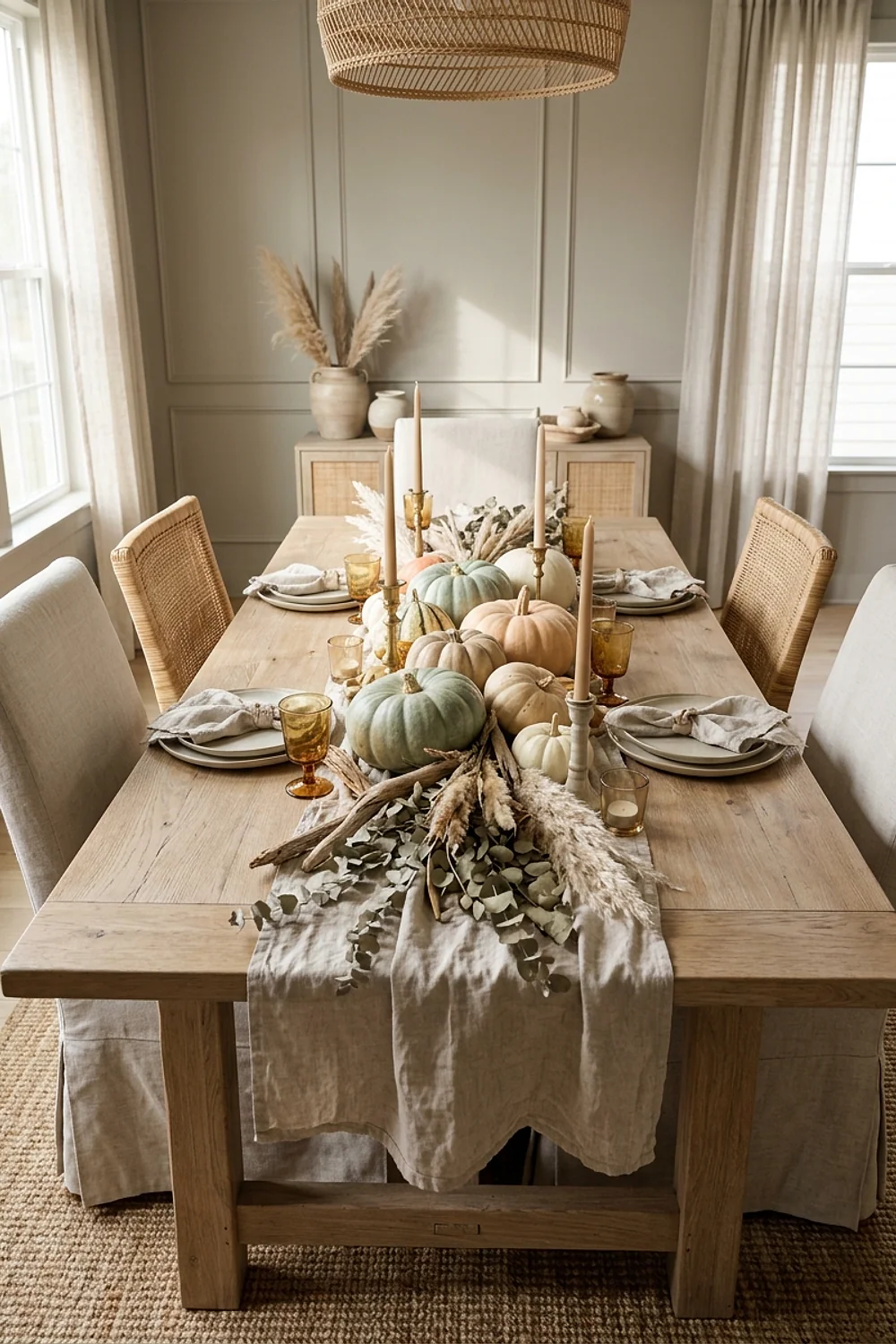
Before: five identical items in a perfect line, like a runway. After: groupings of three and five, offset left and right of the center line, with 8 to 10 inches of clear table between clusters. The eye zigzags instead of marching.
Odd counts feel looser than pairs. Leave those gaps wide enough for a gravy boat or a platter to land. A cluster that crowds the table edge always ends up as the thing guests lift off and set on the floor.
10. Matte stoneware plates in an oatmeal glaze
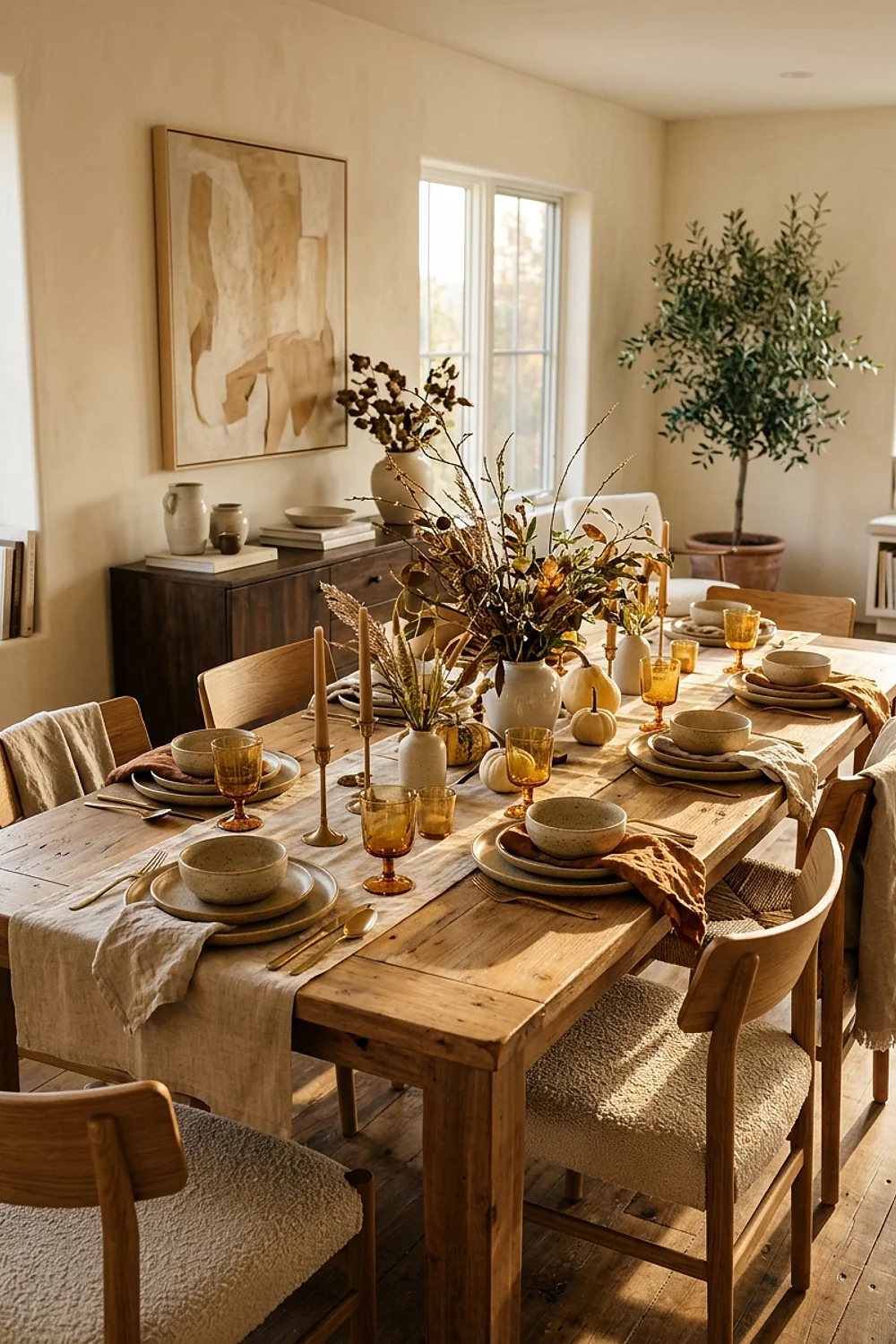
Before: glossy white porcelain from a big-box set, which looked like a conference room. After: 10.5-inch stoneware plates with a speckled oatmeal reactive glaze. A set of four handmade ones runs about $120 to $160, while mass-market stoneware costs closer to $40.
Stoneware gives a low, quiet clink where porcelain rings. Check for crazing, the fine crackle in the glaze, and look for a felted base. A rough unglazed foot ring will scratch an oak top within a month.
11. Rust velvet seat pads tied to the chairs
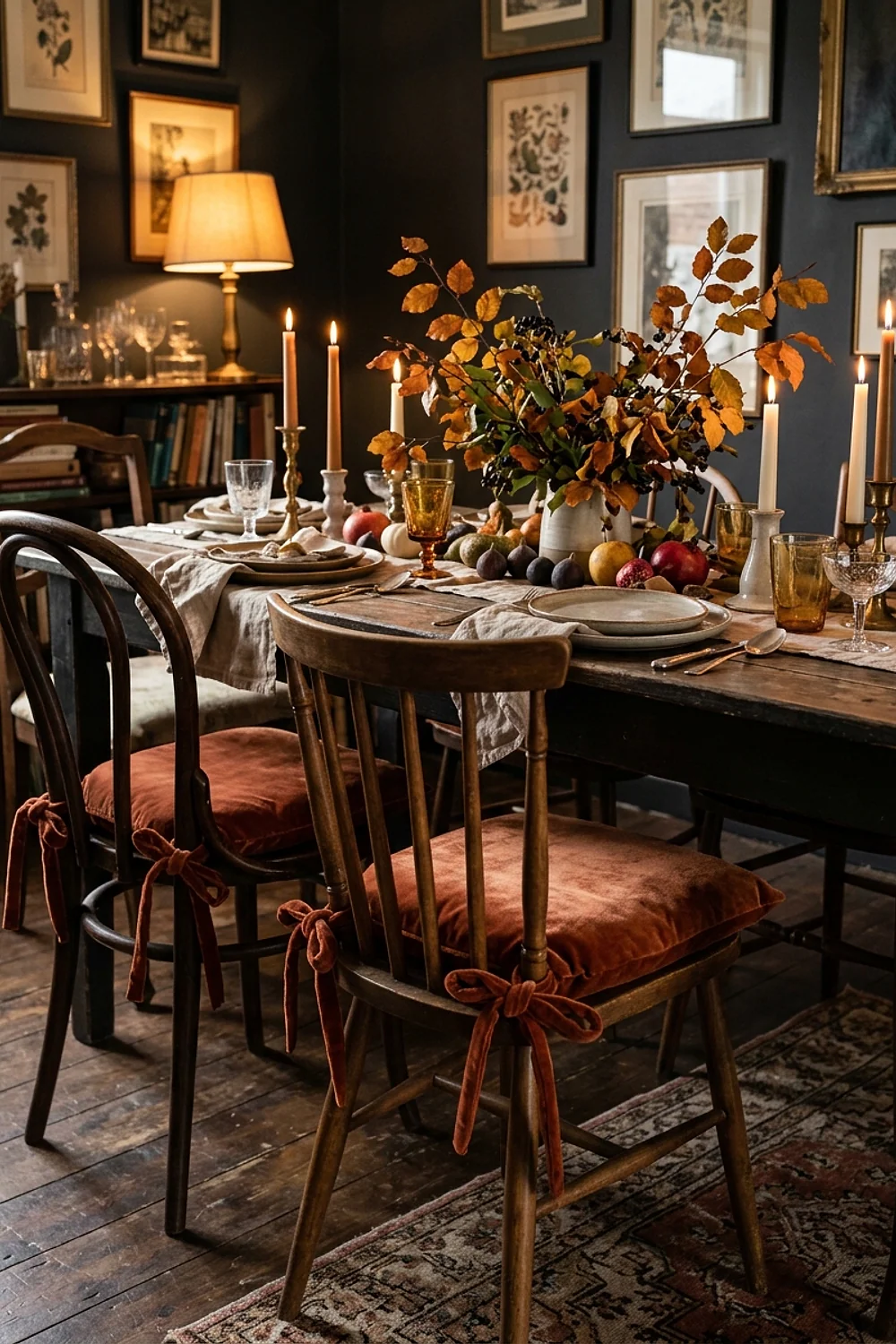
Before: bare wooden chairs and guests shifting by the second hour. After: 2-inch foam pads in cotton velvet, tied at the back with cotton tape. Stroke the nap one way and it’s smooth, the other way and the color deepens.
These pay off for any dinner longer than 90 minutes. Skip silk velvet, which slides, and trim the ties short so they don’t trail on the floor. Cotton velvet takes red wine better than most fabrics.
12. Unscented candles at the table
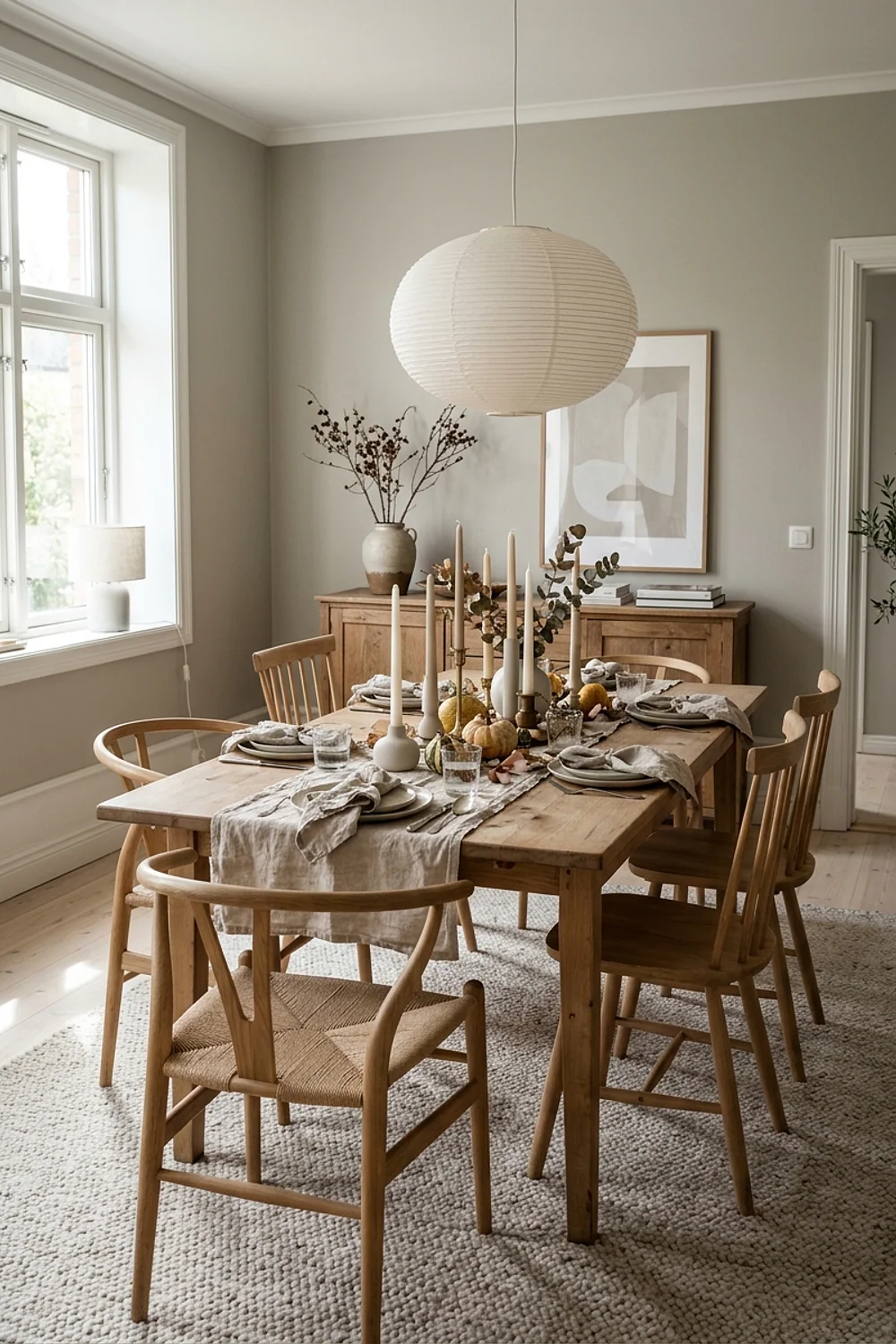
Before: three pumpkin-spice candles burning at once, so the room smelled like a candle aisle. Here’s the counterintuitive part: a strong scent makes food taste flatter, because the nose tires out after about 20 minutes. After: unscented or beeswax candles on the table.
Fall tablescape ideas should smell like whatever is being served. Keep the scented candles in the entry, where guests meet them for ten seconds and move on. This swap costs nothing and fixes the most common complaint.
13. A three-layer place setting
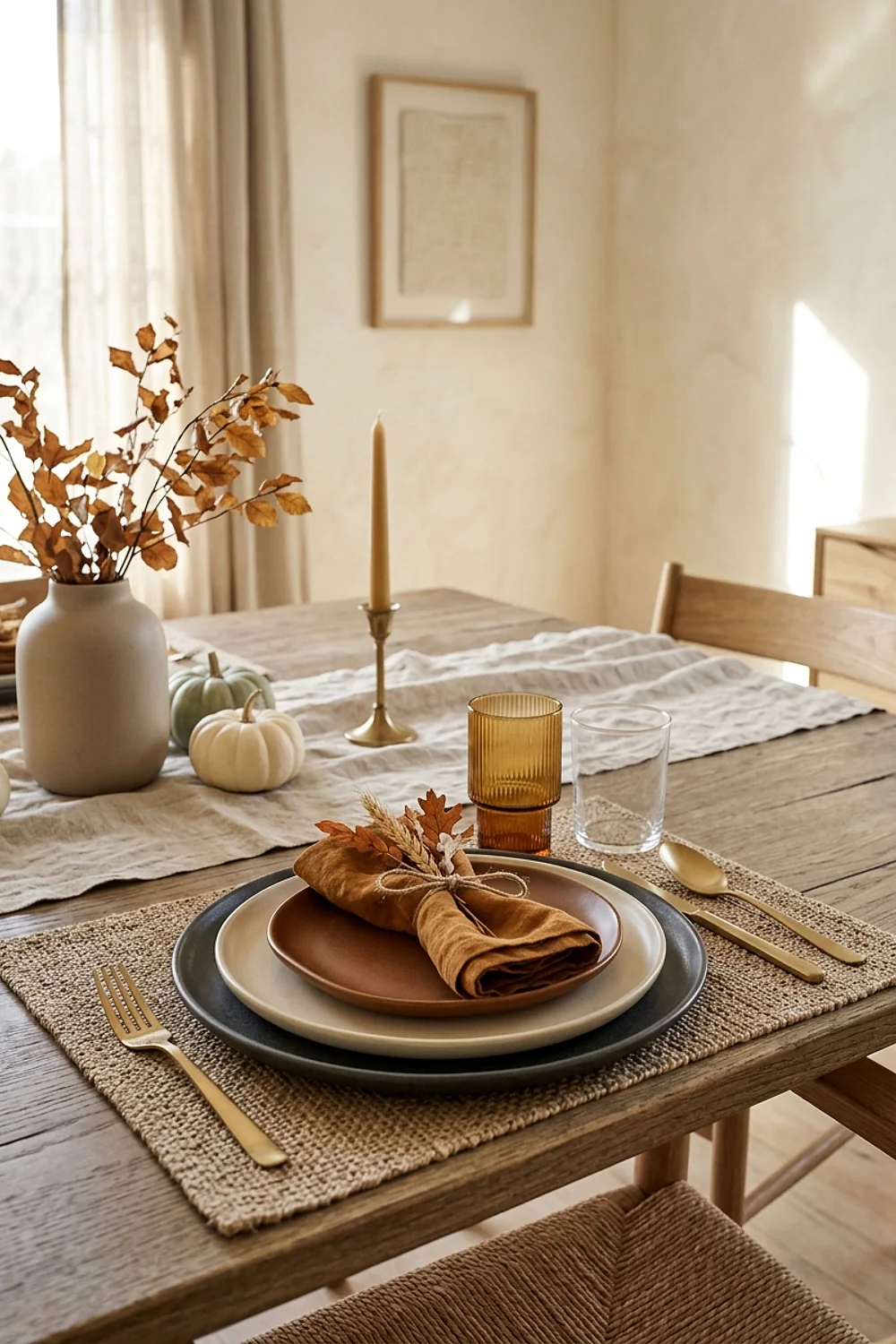
A 12-inch rattan charger, a 10.5-inch dinner plate, and an 8-inch salad plate stacked at each seat. Before: a single plate sitting on bare wood with nothing around it. After: a frame that protects the surface from hot platters.
A standard place setting needs 20 to 24 inches of width, so chargers wider than 13 inches crowd a table seating eight on a 72-inch rectangle. Rattan also catches crumbs, which is fine for casual gatherings and wrong for formal ones.
14. A 22-inch compote bowl heaped with quinces

On an 8-foot table, three small bowls originally got lost in all that wood. After: one oversized ceramic compote bowl, about $55, heaped with golden quinces. Big tables swallow small objects, and one large piece does the work of five.
Choose a bowl in matte cream or smoky glaze so the fruit carries the color. Quinces perfume the room gently for two weeks and don’t rot fast. Avoid glossy bowls under overhead light, because they throw glare right at the guests.
15. Dried hydrangeas stored upright in a shoe box
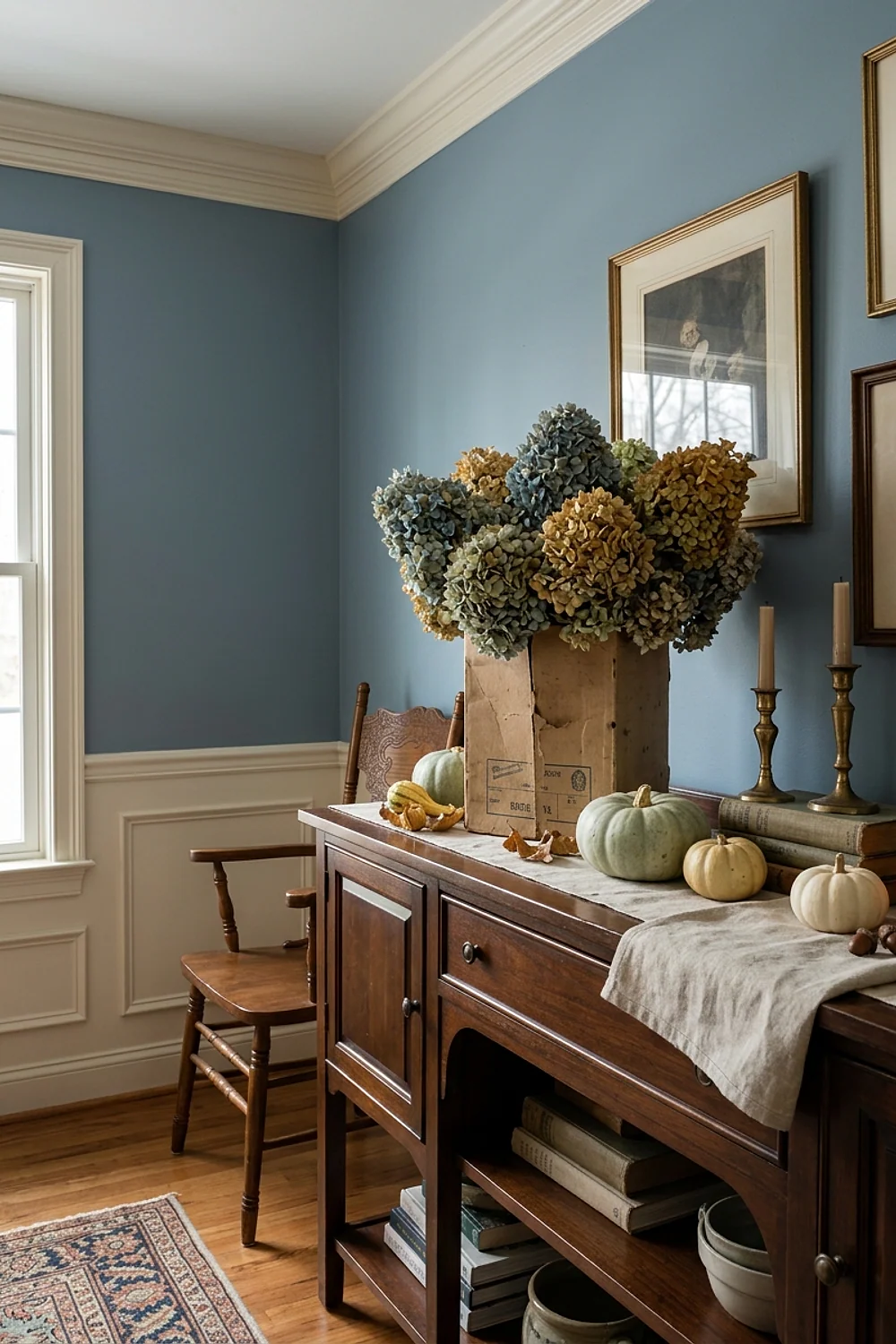
Before: fresh florals bought every autumn and thrown out by Thanksgiving. After: hydrangea heads hung upside down for two weeks, then stored upright in a tissue-lined shoe box. Dried hydrangeas hold their color for two to three seasons.
This suits anyone with a garden or access to cheap stems at a farmers market. Avoid damp basements, where mold shows up within weeks. A closet shelf at room temperature is safer.
16. Matte black plates with copper accents
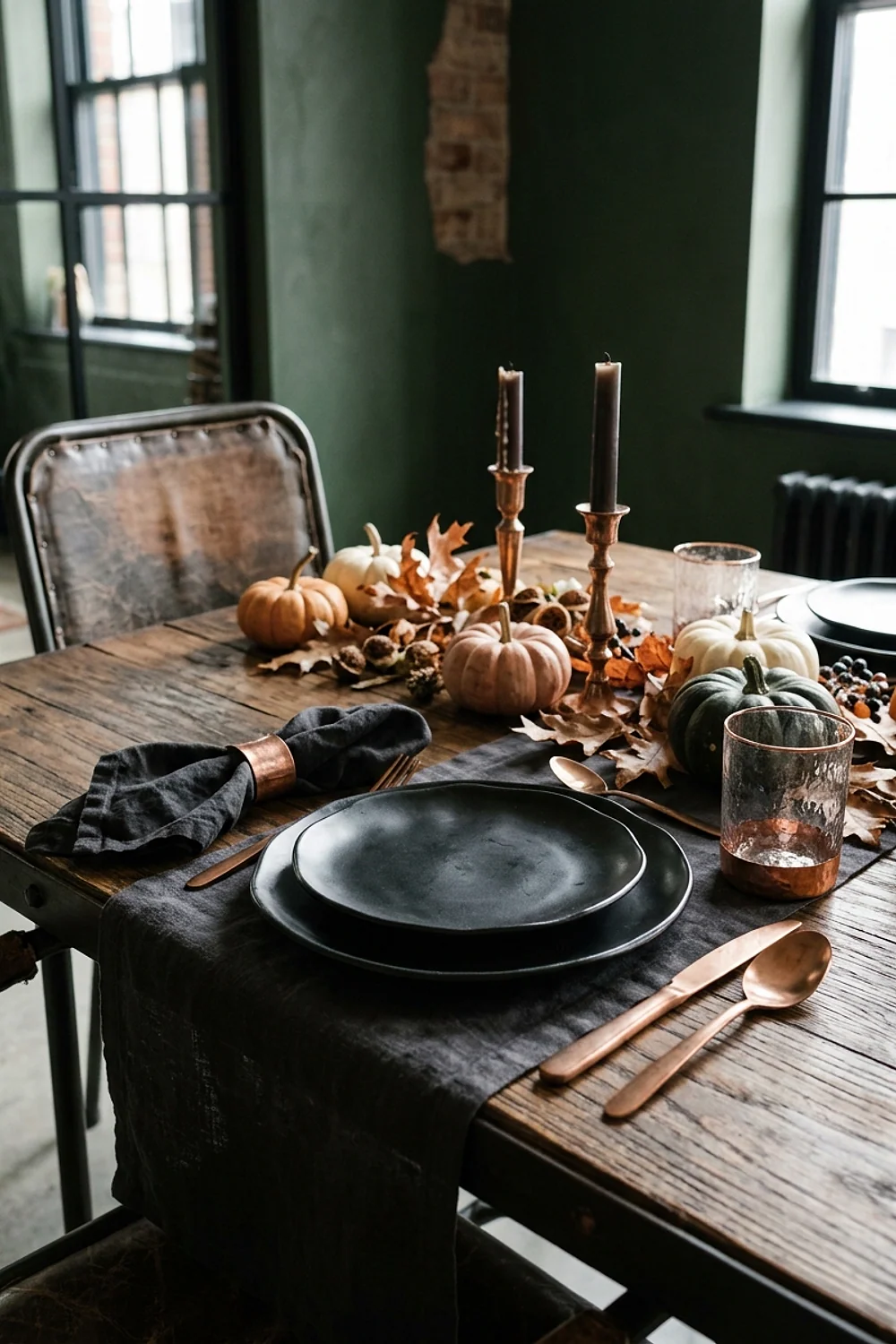
Pale, safe place settings used to disappear into a dark green dining room. After: matte black stoneware, copper tumblers, and a single branch of dried oak leaves. The copper catches candlelight like a low fire.
This palette belongs in rooms with deep wall color and good evening light. Black plates show every crumb and fingerprint, so wipe them just before guests sit. In a small, bright room, the same plates can feel heavy.
17. Place cards on real magnolia leaves
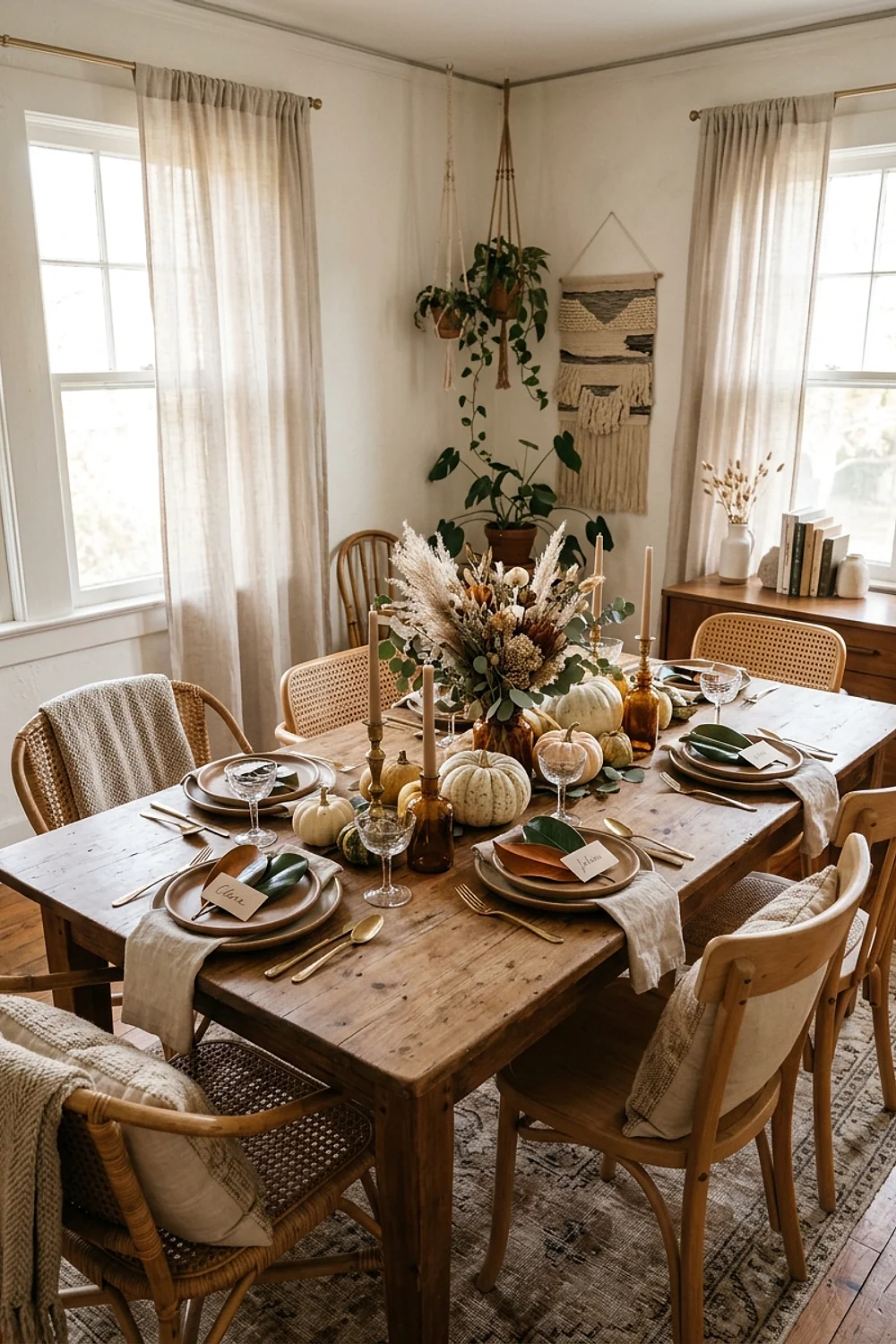
Before: eight guests hovering behind chairs, unsure where to sit. After: each name written in a white paint pen on a leathery magnolia leaf. Maple leaves curl within three hours in a heated room, but magnolia stays flat.
These work best for gatherings of more than six, where seating needs a nudge. Press the leaves under a heavy book overnight first. A paint pen beats ink, which bleeds into the veins.
18. Micro lights threaded under the runner
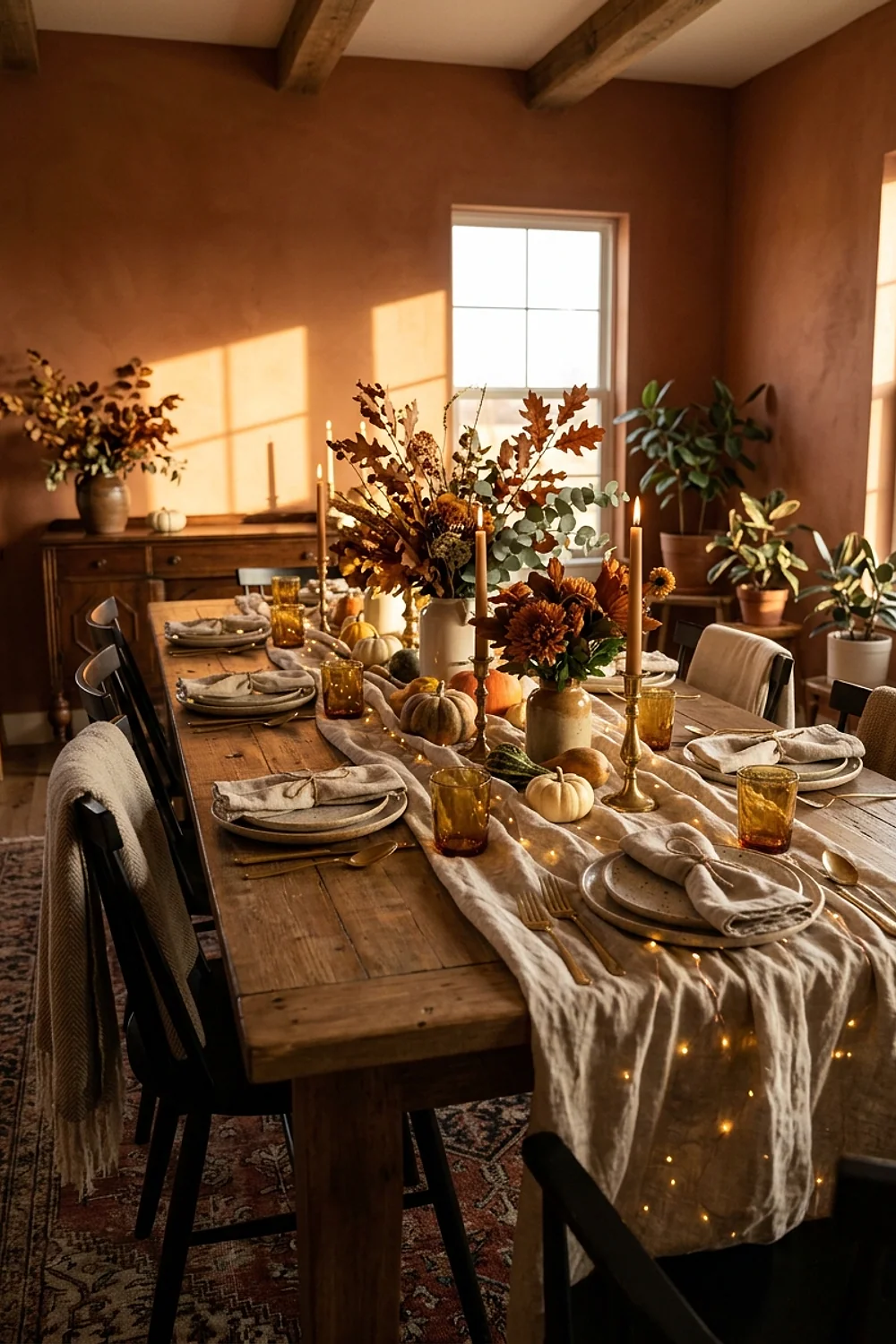
Before: an overhead fixture with no dimmer and a dining room that felt like a waiting area. After: a 10-foot string of copper-wire micro lights, 2700K, tucked under the runner so the linen glows. The battery pack hides inside a folded napkin at one end.
This helps rooms where the lighting can’t be changed. Avoid cool white strings rated near 5000K. They turn the rust runner gray and look like a hospital corridor.
19. A tight cluster at the center of a 60-inch round table
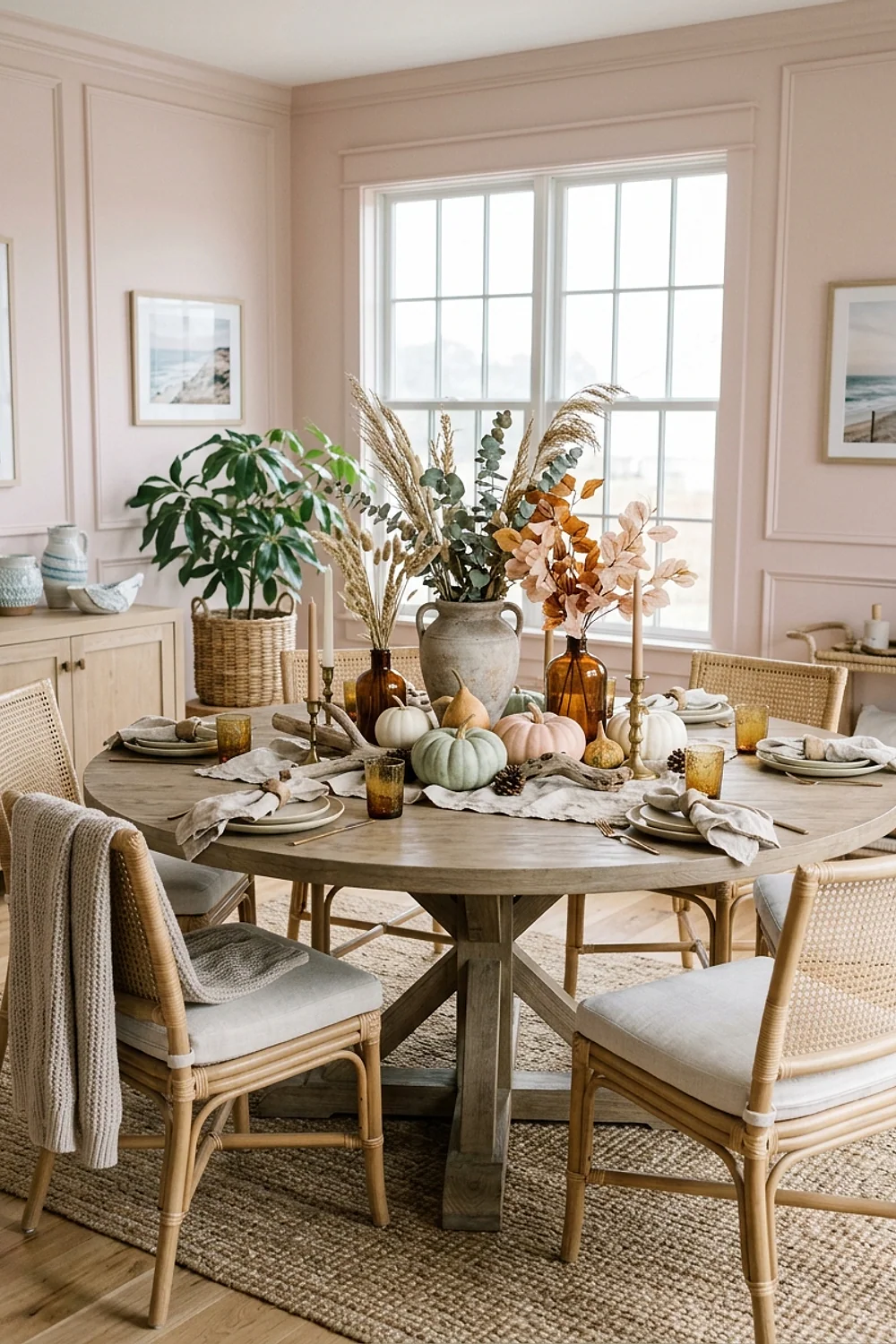
A 60-inch round table suffers when decor spreads across it. Before: scattered gourds at every place setting. After: one cluster no wider than 12 inches, which keeps about 24 inches of reach for each guest.
Round tables make conversation easier, so the centerpiece should step aside for it. Keep the cluster low. A pedestal bowl on a small riser handles this well, and the outer ring stays clear for plates.
20. Sealed wood slice chargers

Raw wood slices are trendy, and trendy things rarely age well. Before: bark flaking onto the plates. After: 14-inch sanded slices, about $6 each, given two coats of matte polyurethane so they stop shedding.
Honestly, plain rattan outlasts them. Still, slices make sense for a rustic table in a cabin or farmhouse. Check for cracks that run through the center, since one will split further as the room dries in winter.
21. A wool throw over every chair back
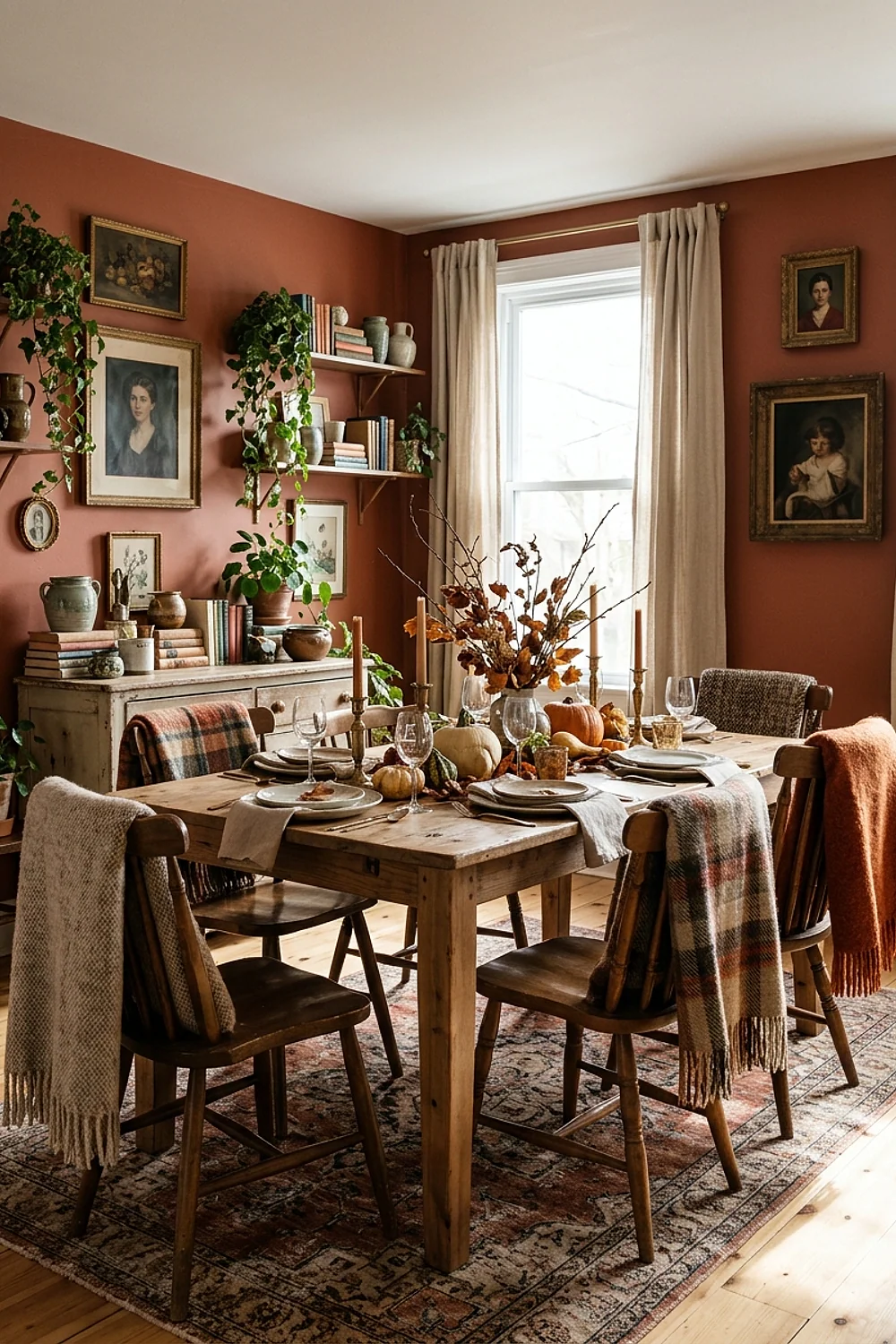
During that October cold snap, the old dining room never got warm, and guests ate in their coats. After: a 50 by 60 inch oatmeal wool throw folded in thirds over each chair back. Guests can pull it over their shoulders.
This suits older houses and patio dinners. Choose tight-knit wool, since loose knits snag on chair finials. Check the care label before buying. Dry-clean-only throws are a headache after one spilled glass.
22. Real leaves, not plastic ones
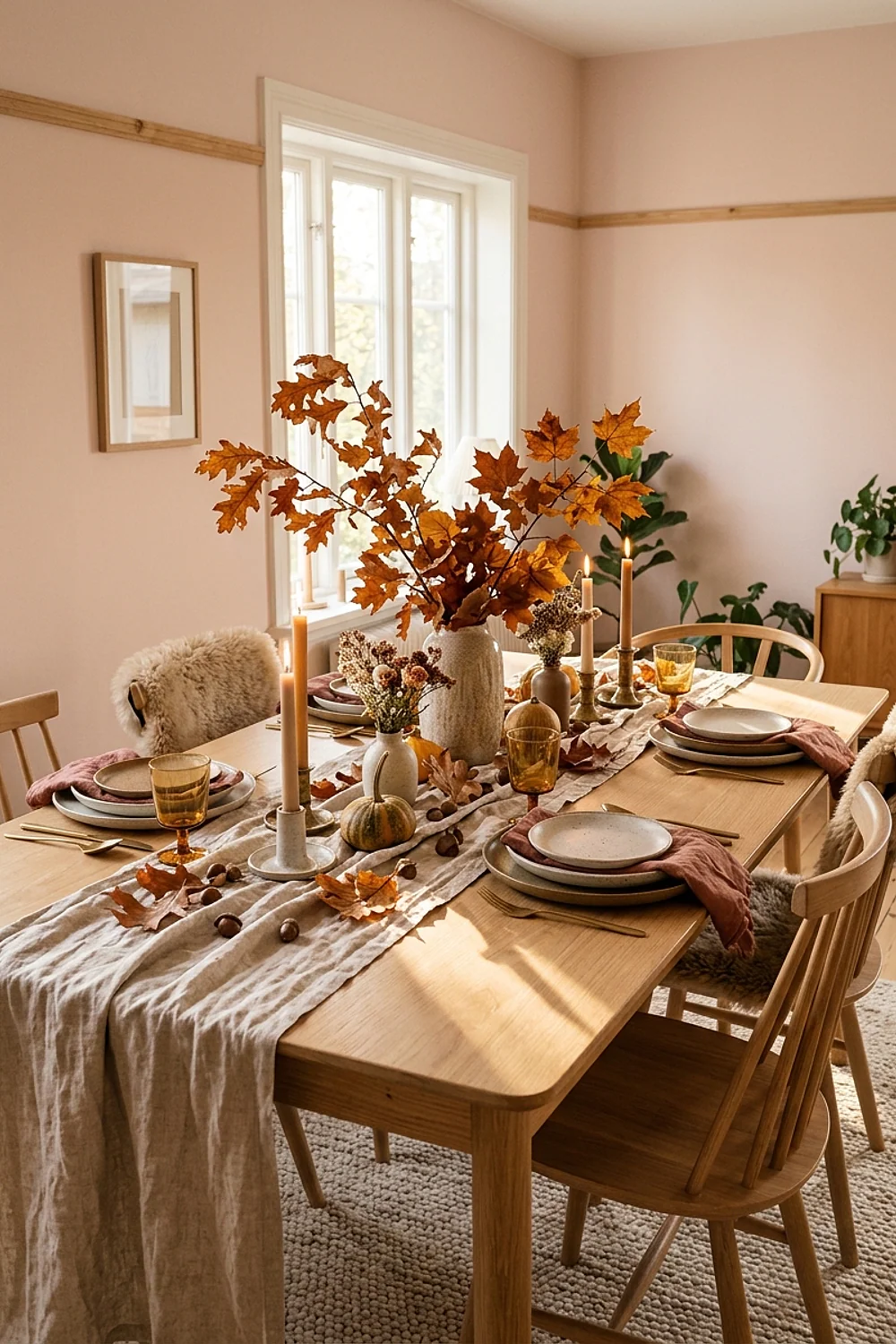
Plastic maple leaves scattered across the entire table were the starting point. Who still owns the glittery foam leaves from three autumns ago? Right. Nobody, because they ended up in a trash bag by December.
Plastic reflects candlelight as a glare, and it collects dust within days. After: ten real leaves, picked dry and pressed flat, placed only between settings. They cost nothing and compost afterward.
23. A eucalyptus and dried wheat garland
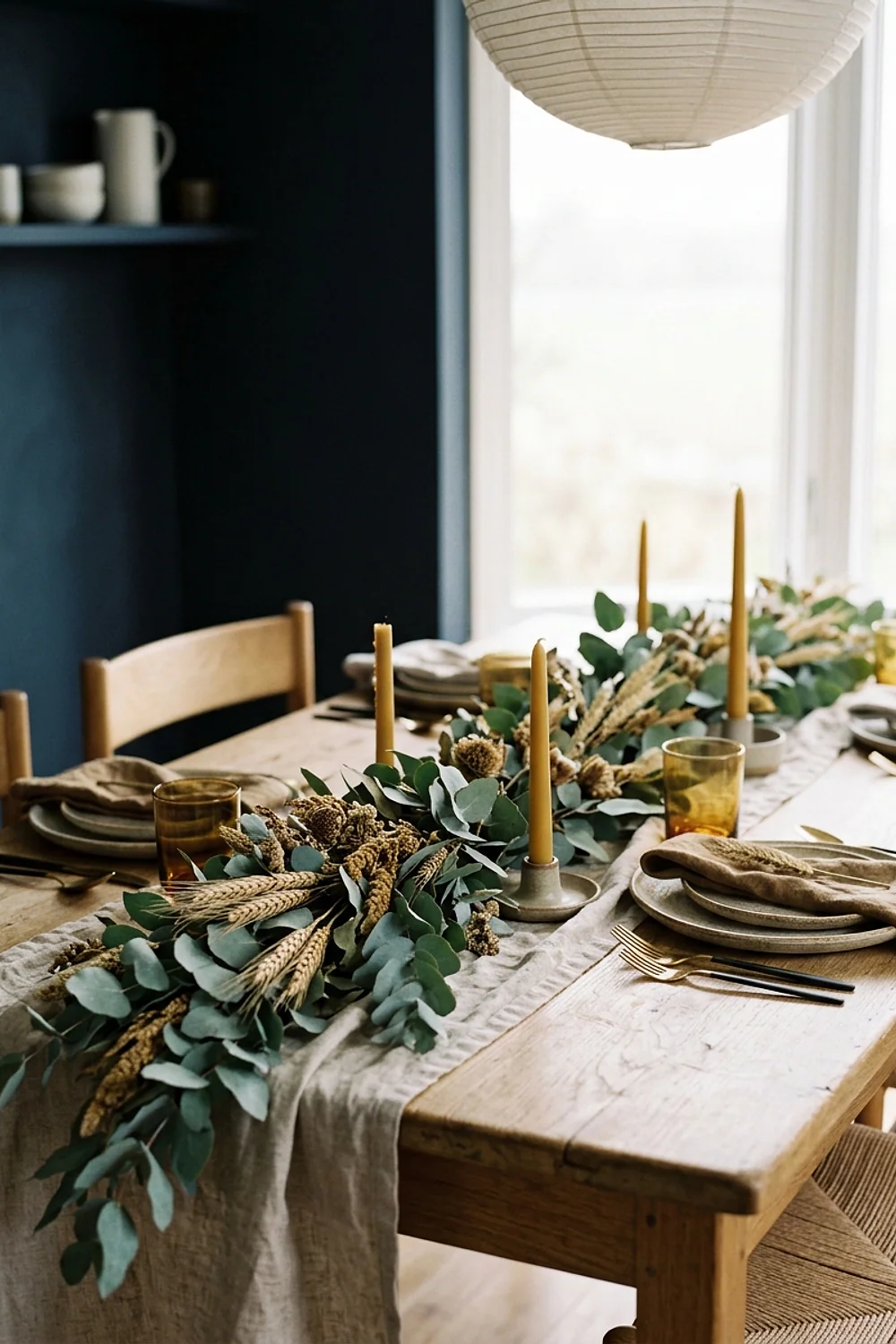
Nothing sat between the runner and the candles, leaving a bare stretch of table. After: a 6-foot garland of eucalyptus and wheat stems. The wheat rustles like paper when brushed, which is a good sign it’s dry enough to last.
This suits tables 72 inches or longer. Keep dried stems at least 6 inches from any open flame, because dry foliage burns fast. Fresh eucalyptus is safer near candles, though it dries to gray within ten days.
24. A 12-inch-deep console dressed as a mini tablescape

Keys and a catch-all tray were all that filled the entry console at first. After: a narrow console with two 8-inch brass candlesticks, one pumpkin, and a small tray, about $45 in pieces. A narrow surface wants a tight arrangement, never a spread.
This suits apartments with no dining table at all. Keep everything within 10 inches of depth. Pieces that overhang the edge get knocked off within a week.
25. Napkins rolled in a linen-lined drawer

Creases that never fully ironed out marked the eight cotton napkins folded flat. After: the same napkins rolled loosely in a drawer lined with linen. Rolled napkins keep a soft curve instead of a hard fold line.
This is a small habit for anyone who hosts more than twice a season. Rolled napkins also slip into rings without bunching. Avoid starching them for storage, since starch attracts pests.
26. Ochre napkins on a navy cloth
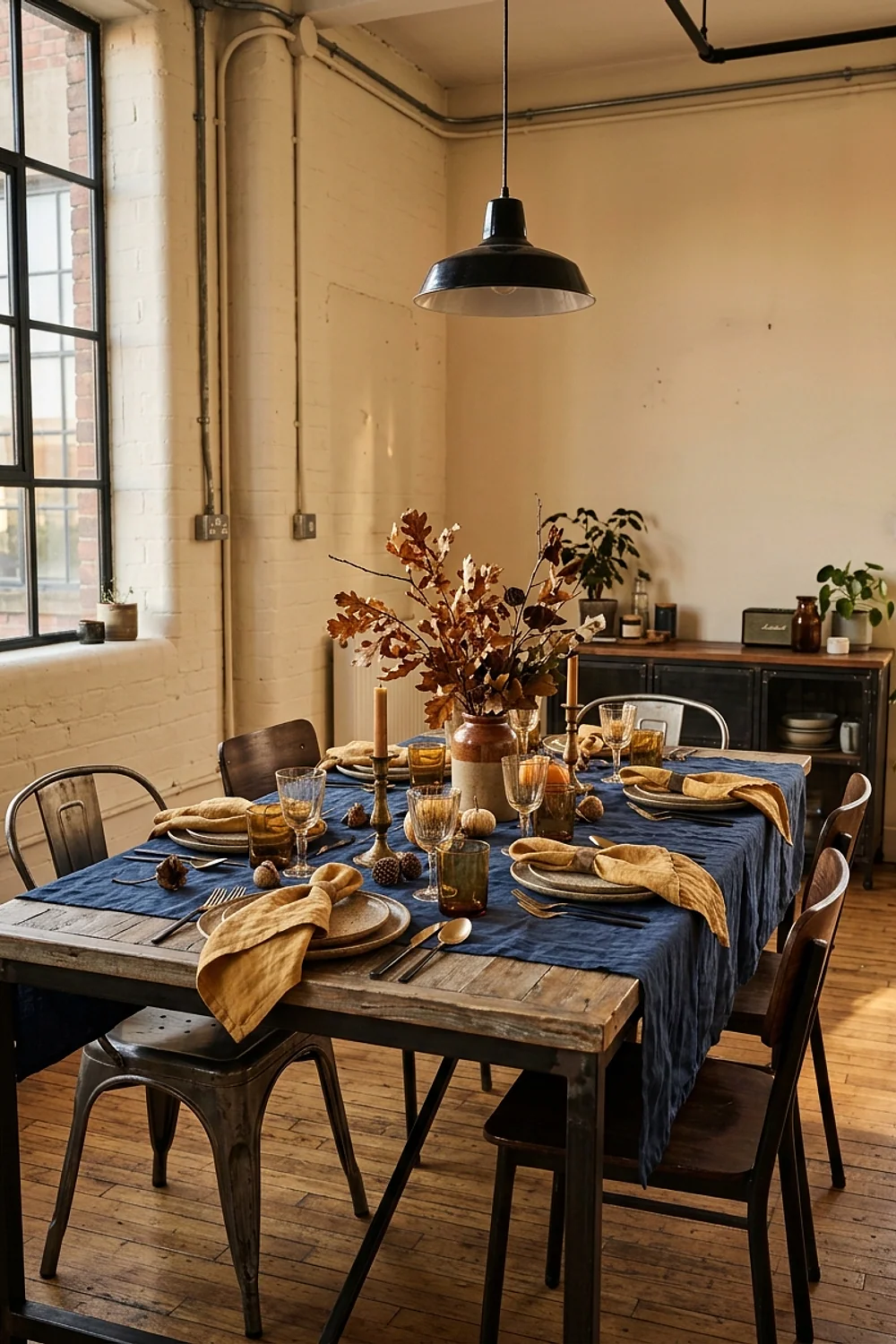
In the old all-warm palette, every color blurred together on the table. After: a navy cotton tablecloth with ochre napkins and cream plates. The cool base sharpens the warm accent the way a shadow sharpens a highlight in a photo.
This works well in dining rooms with north-facing windows, where the light is already cool. Pick ochre, not lemon yellow. Lemon turns acidic against navy and looks like a school uniform.
27. Two pedestal stands holding figs and nuts

Nobody had space for a glass because three platters crowded the table. After: two stands, 6 and 9 inches tall, holding figs, pears, and walnuts. Going vertical frees roughly a third of the surface.
This is the move for a grazing table or a buffet-style gathering. Check that the stand base is wide enough to resist a bump. A few dots of museum putty under the foot keep a top-heavy stand from sliding.
28. LED pillars inside 10-inch lanterns on the patio
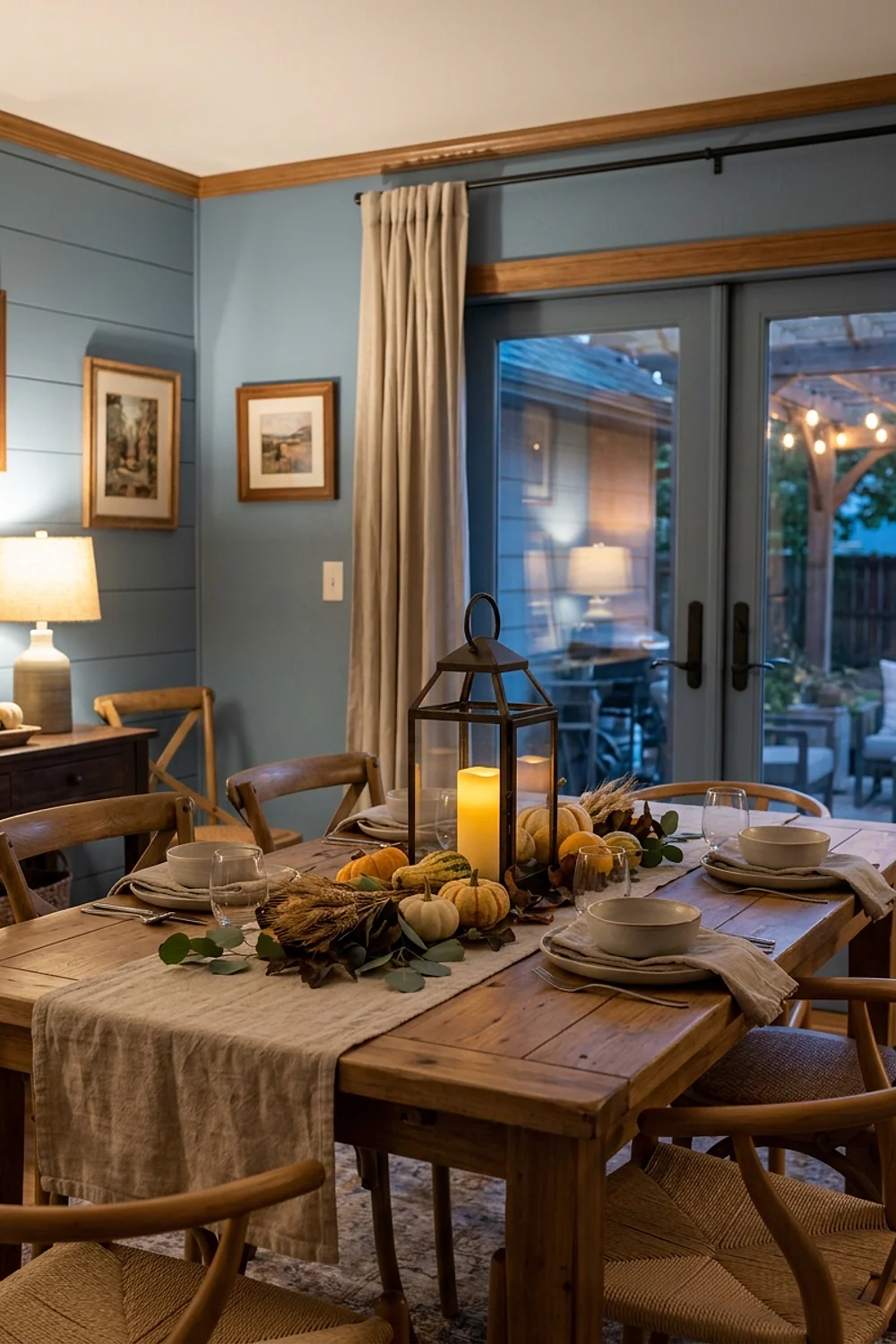
Four 10-inch metal lanterns with flickering LED pillars fixed the problem of wind blowing out every candle on the porch by the second course. The frame shields the glow and there is no flame to lose, so the dinner finally stayed lit.
This is the move for any outdoor table in October, especially a breezy patio or a host who cannot keep relighting wicks. Look for amber bulbs near 2200K. Cheap LEDs have a blue cast that kills the fall mood faster than a cold wind, so check the box first.
29. A kids’ table pushed against the main one

Eight inches lower than the main table, a card table looked like an afterthought. After: a table at matching height, covered in 18-inch butcher paper with a cup of crayons. Children sit within earshot of the adults.
This suits families hosting more than eight. Keep both tables at the same height, since a drop makes the kids feel sidelined. Avoid permanent markers anywhere near the wood. Crayons wipe off.
30. Brass flatware beside matte stoneware
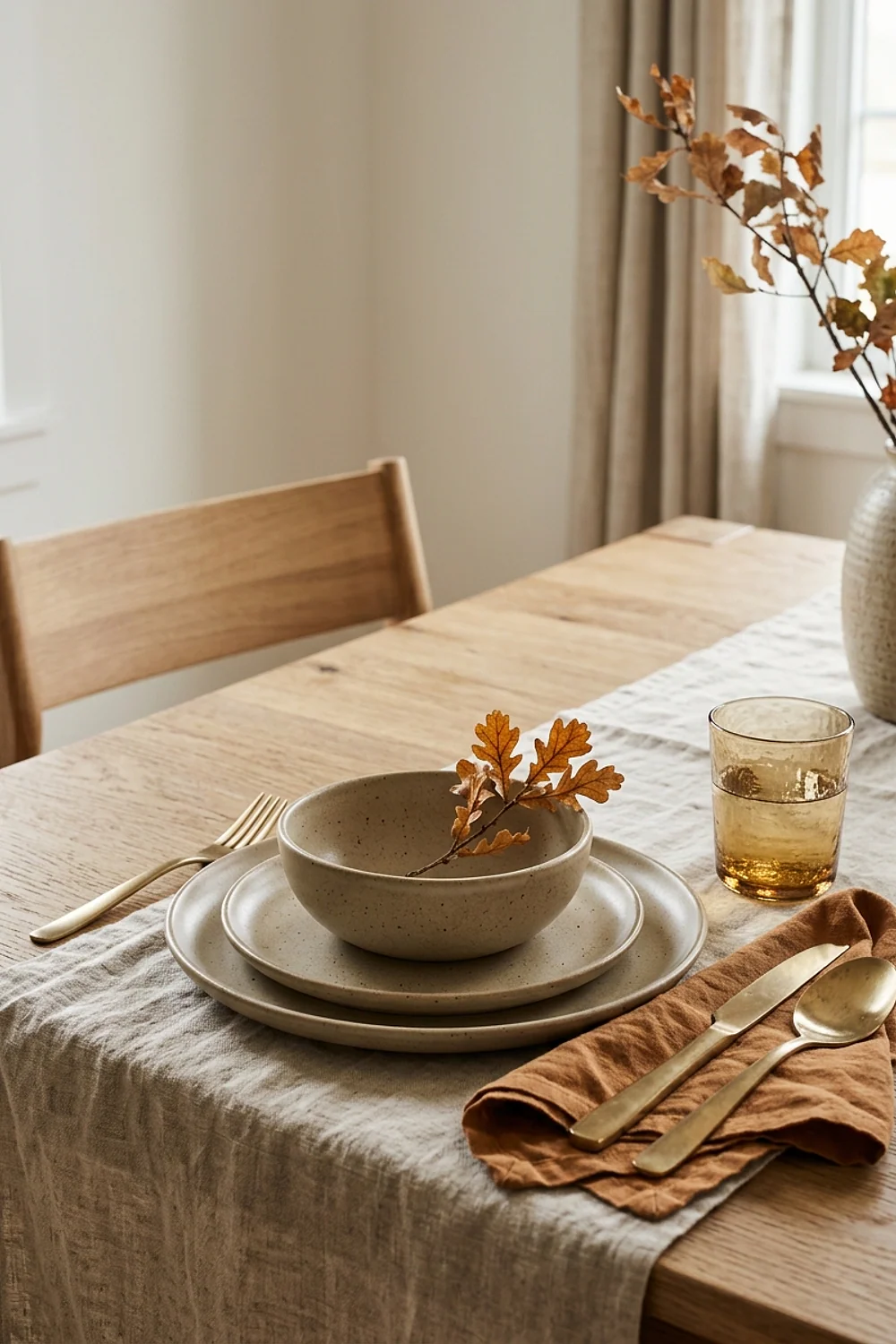
Before: shiny stainless flatware that looked cold next to the stoneware. After: a 20-piece matte gold-tone set, about $45. Mixed metals look intentional when only two finishes appear on the table.
The gold finish is a thin coating that scratches in a dishwasher, so hand-wash it. Brass and copper together work. Add silver as well and the table starts to look like a jewelry counter.
31. Woven jute placemats under the plates
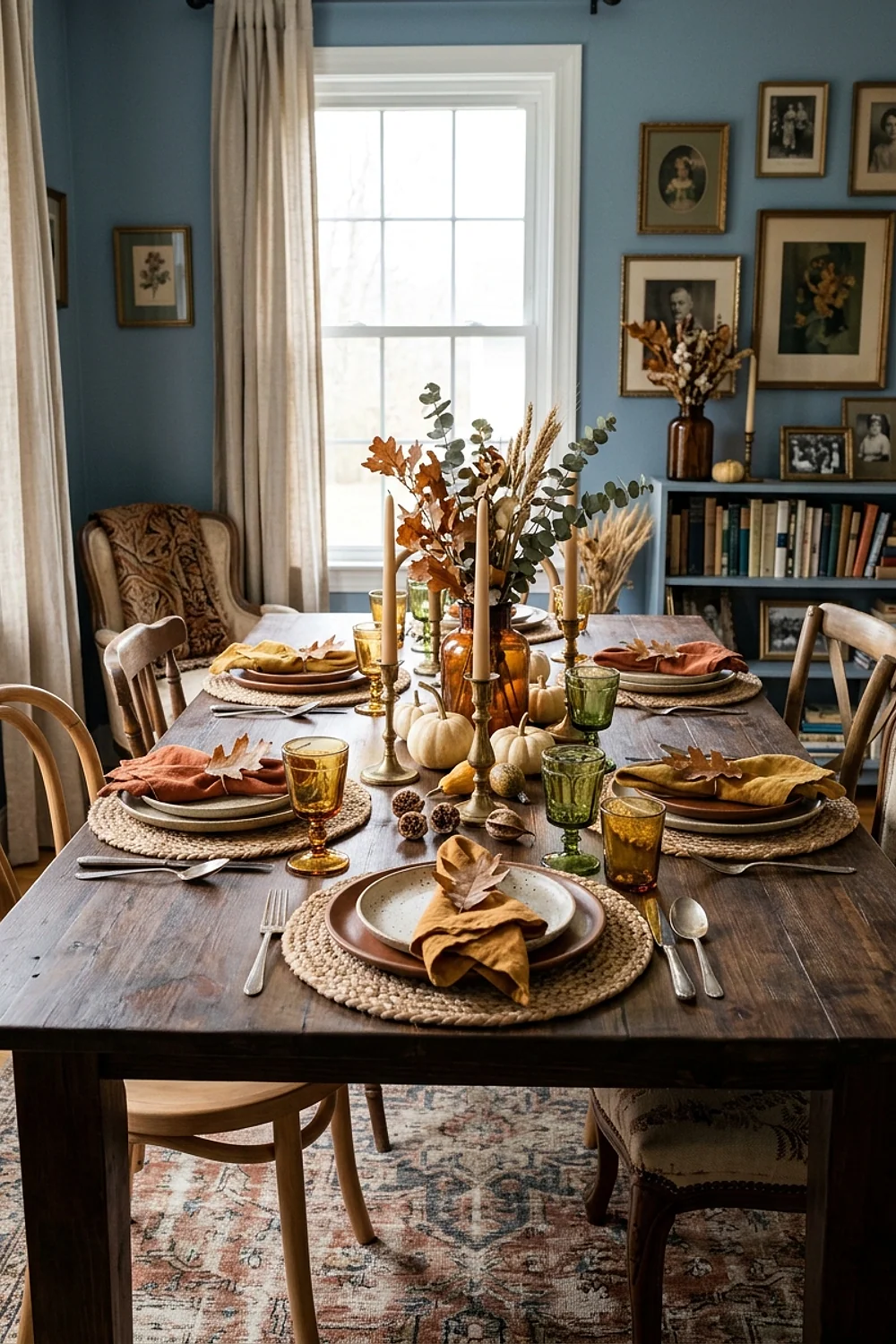
Before: stoneware plates clacking on bare wood, loud enough to interrupt conversation. After: flat-weave jute placemats that muffle the sound. Run a thumb across jute and it grabs like rope.
These suit lively tables with kids or large groups. Choose a flat weave. A chunky basket weave makes stemmed glasses wobble and tip. Rough jute can also snag linen napkins, so fold the napkin to the side.
32. A 10-inch tablecloth drop

The common mistake is buying a cloth by the size printed on the package without measuring the table. A 60 by 84 inch cloth on a 36 by 72 inch table drapes 12 inches on the sides but only 6 at the ends. It looks cut off.
After: a cloth cut to give a 10-inch drop on every side. A drop past 12 inches catches laps and snags on chair legs. Measure first, then buy.
33. Amber tumblers beside smoky stemware
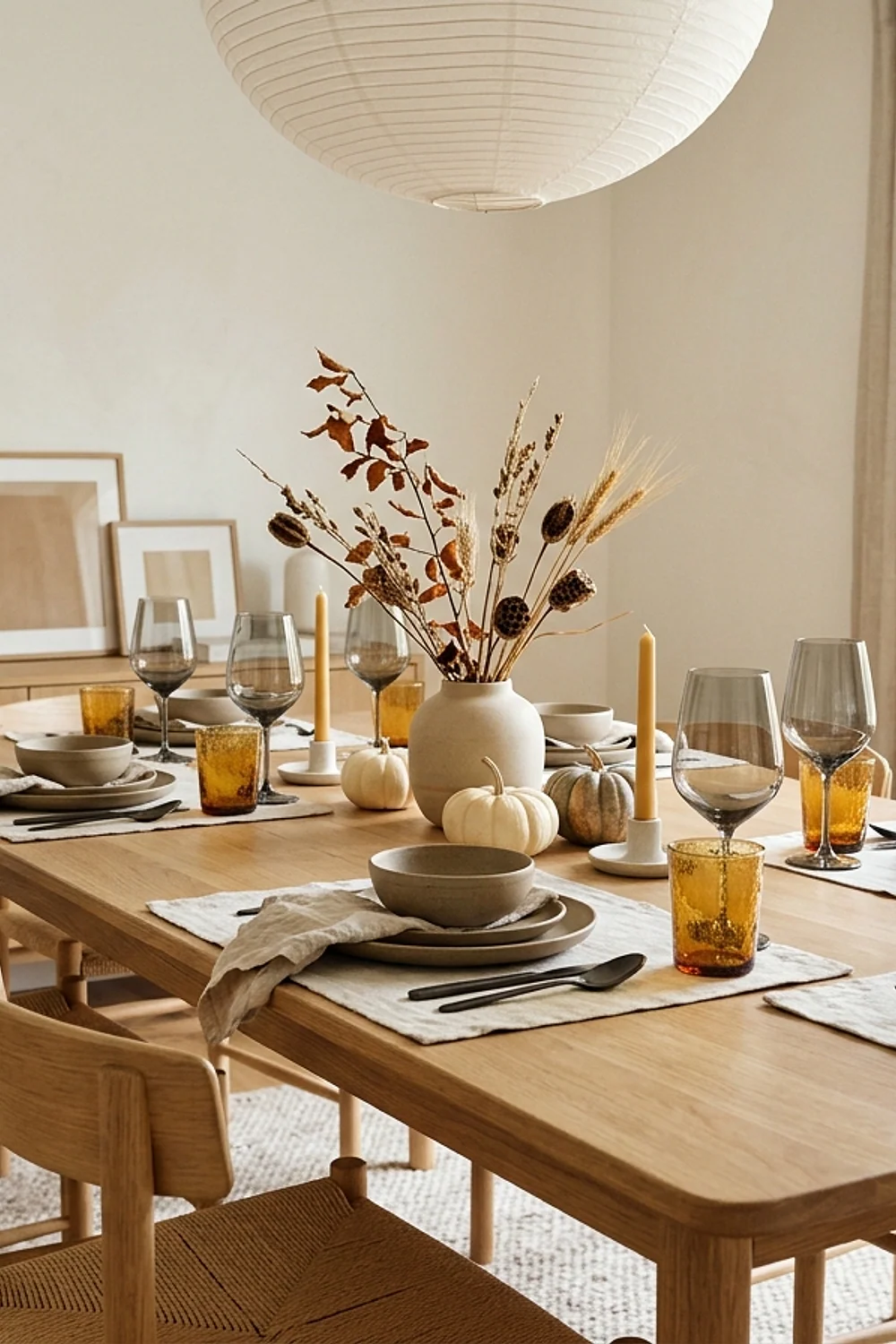
Before: plain clear glasses that vanished into the table. After: 10-ounce amber tumblers and smoke-gray stemmed glasses, mostly from flea market tables. Colored glass catches candlelight and throws it back across the cloth.
This is the move for thrifters willing to spend a Saturday morning digging. Hold to two glass tones. A third color tips the table from collected to chaotic.
34. One wooden trencher as the whole centerpiece

One 20-inch wooden trencher with a single pumpkin and two tapers replaces a 36-inch round bistro table stuffed with candles, gourds, and a vase. The restraint reads as confident, and the eye lands on one anchor instead of hunting through a collection.
Small tables need a single anchor, so this suits apartments, two-person dinners, and cafe-style corners. Leave at least 8 inches of clear wood around it; on a 36-inch top, a 20-inch board leaves exactly that. Anything less and elbows end up in the decor, and plates have nowhere to sit.
35. Apple crates as risers
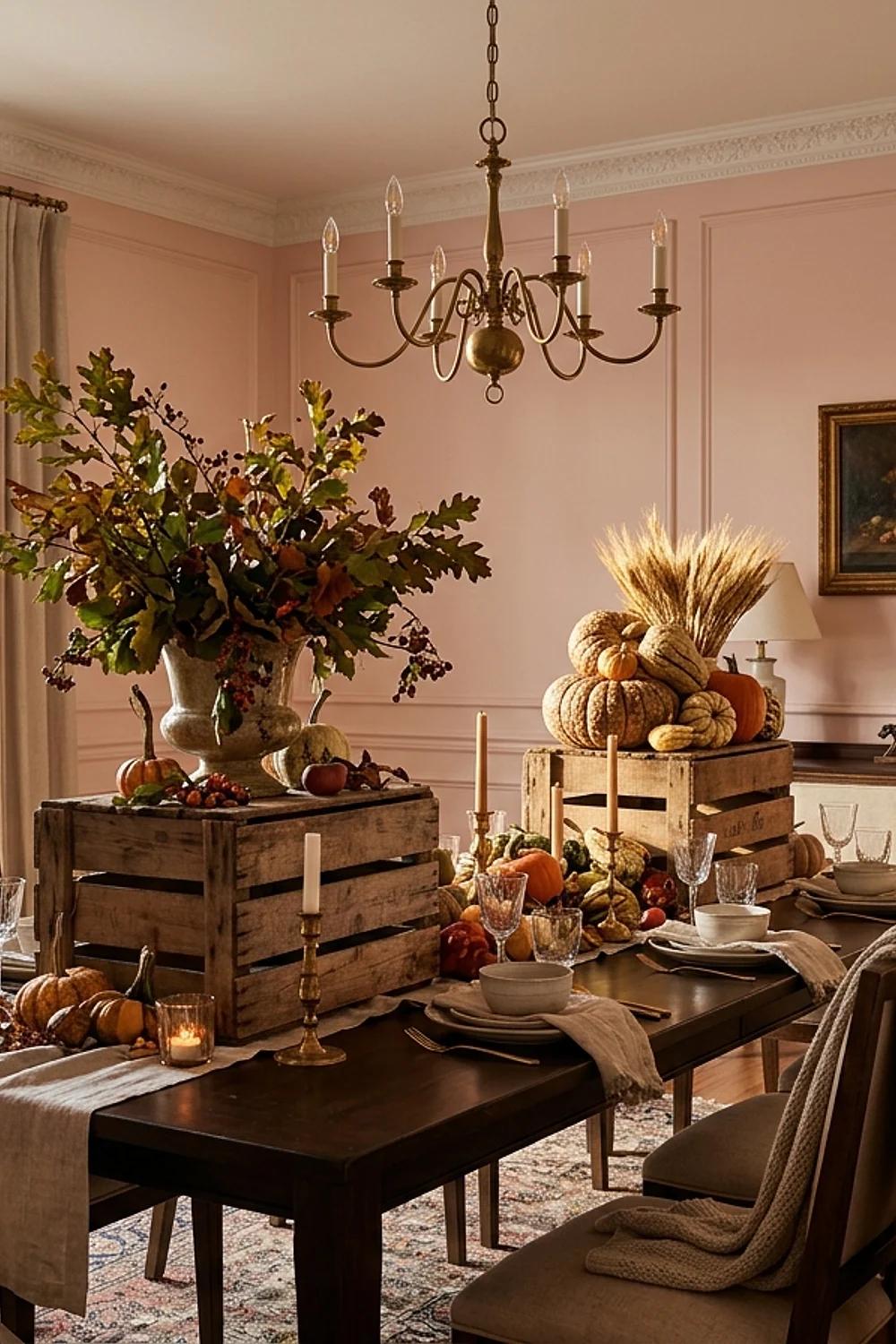
Every object sat at the same height on a flat table. After: two wooden apple crates at about $18 each, stacked to 14 inches and draped with the runner. Their real job starts in November, when the crates store linens and candles.
Look for crates with sound corners and no splinters. Sand any rough edges, since snagged linen is hard to mend. Check the weight too. A crate that wobbles under a pumpkin will wobble under a full platter.
36. All-white pumpkins in a greige room

Loud orange pumpkins fought a soft greige dining room in the old display. After: white pumpkins, cream tapers, and oatmeal linen in one tonal family. The texture does the work when color steps back.
This suits rooms already painted in quiet neutrals. Match the undertones, though. Pure white beside cream looks dirty rather than intentional, so keep everything within the same warm family.
37. A base layer that works from October to December

Halloween, Thanksgiving, and Christmas each got a separate setup, and every one was bought new. After: one base of oatmeal linen, stoneware, and brass, with only three pieces swapped by month: pumpkins, then pinecones, then cedar.
This is the durable approach, and it beats chasing trends every time. A trendy mushroom figurine or foam gourd will look dated next year, while linen and stoneware stay useful. These fall tablescape ideas hold up because the expensive pieces never change.
Where the inspiration comes from
Most of these changes cost less than a single new chair. The ranges below cover what a full table usually runs, depending on how many pieces get replaced.
- Under $60: a thrifted runner, heirloom pumpkins, real leaves, and unscented candles in holders already owned.
- $60 to $150: new linen napkins, a set of tapers with brass holders, jute placemats, and a bowl or two.
- $150 to $300: handmade stoneware for four, a wool throw, seat pads, and flatware in a second metal.
Spend where the pieces last. Stoneware, linen, and brass hold up for a decade, while gourds and garlands are seasonal. That’s the whole logic of a table that doesn’t need replacing every autumn.
Skip the trend purchases entirely. A novelty centerpiece costs the same as a good napkin set and gets used for one month. Put that money into the base layer instead.
Mood board breakdown
Measure the table first. This is the move for anyone shopping online or at a flea market, where sizes are easy to misjudge. Write down the length, width, and seated height, then check every runner, bowl, and charger against those numbers before paying.
Plan for the cold snap. During October, rooms lose heat by early evening, so a wool throw and a lit candle matter more than another decoration. Guests linger longer at a table that feels warm to sit at.
Skip the florist’s arrangement and use branches. Cut oak, bittersweet, or beech from a yard or roadside, with permission, costs nothing and no one can tell. A tall glass cylinder holds them without fuss.
Reuse the leftovers. Day-two pumpkins become a porch display, and day-two linen becomes a drawer liner. Anything that moves from table to another room has earned its place.
Setting the table for the long haul
The best version of fall tablescape ideas is the one that survives the season. Start with a good linen base, add two or three natural pieces, and leave room for candlelight and conversation.
Save or pin this list so it’s ready when the first cold evening arrives. Then start with one idea, ideally the runner, and measure the table before buying anything.
Frequently asked questions
How early can fall tablescape ideas be set up before guests arrive?
Most pieces can be set a full day ahead, including linens, plates, and glassware. Wait to light candles and place fresh leaves until about 30 minutes before guests arrive, because leaves curl and wax burns down.
What are the best fall tablescape ideas for a small round table?
Use one low centerpiece no wider than 12 inches, such as a wooden trencher with a single pumpkin and two tapers. Layer a charger and plate at each seat, and leave at least 8 inches of clear wood around the center.
Can I do these fall tablescape ideas in a rental or with kids and pets?
Yes, because nothing here is permanent. Choose battery lanterns or LED pillars instead of open flames, keep stems and dried wheat out of reach, and use runners and placemats to protect the table. Everything stores in a single bin.
How do I keep my table from looking like a craft store aisle?
Stick to three colors plus the wood, and use real materials such as linen, stoneware, brass, and fresh leaves. Avoid plastic foliage, foam gourds, and scented candles. If a piece would look odd in January, leave it off.